Travelling to these places? We can help
Bangladesh travel vaccinations and health advice
Bangladesh travel vaccinations and health advice
Bangladesh travel vaccinations and health advice
Dengue in Dhaka, food and water risks and Chittagong Hill Tracts malaria each need different planning. Book a Bangladesh travel consultation in South Kensington.
Dengue in Dhaka, food and water risks and Chittagong Hill Tracts malaria each need different planning. Book a Bangladesh travel consultation in South Kensington.
Dengue in Dhaka, food and water risks and Chittagong Hill Tracts malaria each need different planning. Book a Bangladesh travel consultation in South Kensington.
Travel health advice
Bangladesh
Bangladesh
Recommended vaccines
Typhoid
Hepatitis A
Japanese Encephalitis
Consultations are £25 and redeemable against any vaccine course on the day. Same-week appointments available for most travellers.
Consultations are £25 and redeemable against any vaccine course on the day. Same-week appointments available for most travellers.
Dengue in Dhaka, malaria in the hills
Dengue in Dhaka, malaria in the hills
Dengue in Dhaka, malaria in the hills
With Bangladesh, the risk picture depends far less on the country as a whole and far more on where you actually spend your time. Dhaka, family visits, rural stays and travel into the Chittagong Hill Tracts each ask their own questions. At Kensington Clinics, we work through your route, timing and medical background, then advise on the vaccines, bite avoidance and malaria planning that match the trip in front of you.
With Bangladesh, the risk picture depends far less on the country as a whole and far more on where you actually spend your time. Dhaka, family visits, rural stays and travel into the Chittagong Hill Tracts each ask their own questions. At Kensington Clinics, we work through your route, timing and medical background, then advise on the vaccines, bite avoidance and malaria planning that match the trip in front of you.
With Bangladesh, the risk picture depends far less on the country as a whole and far more on where you actually spend your time. Dhaka, family visits, rural stays and travel into the Chittagong Hill Tracts each ask their own questions. At Kensington Clinics, we work through your route, timing and medical background, then advise on the vaccines, bite avoidance and malaria planning that match the trip in front of you.
What your Bangladesh itinerary usually tells us
What your Bangladesh itinerary usually tells us
What your Bangladesh itinerary usually tells us
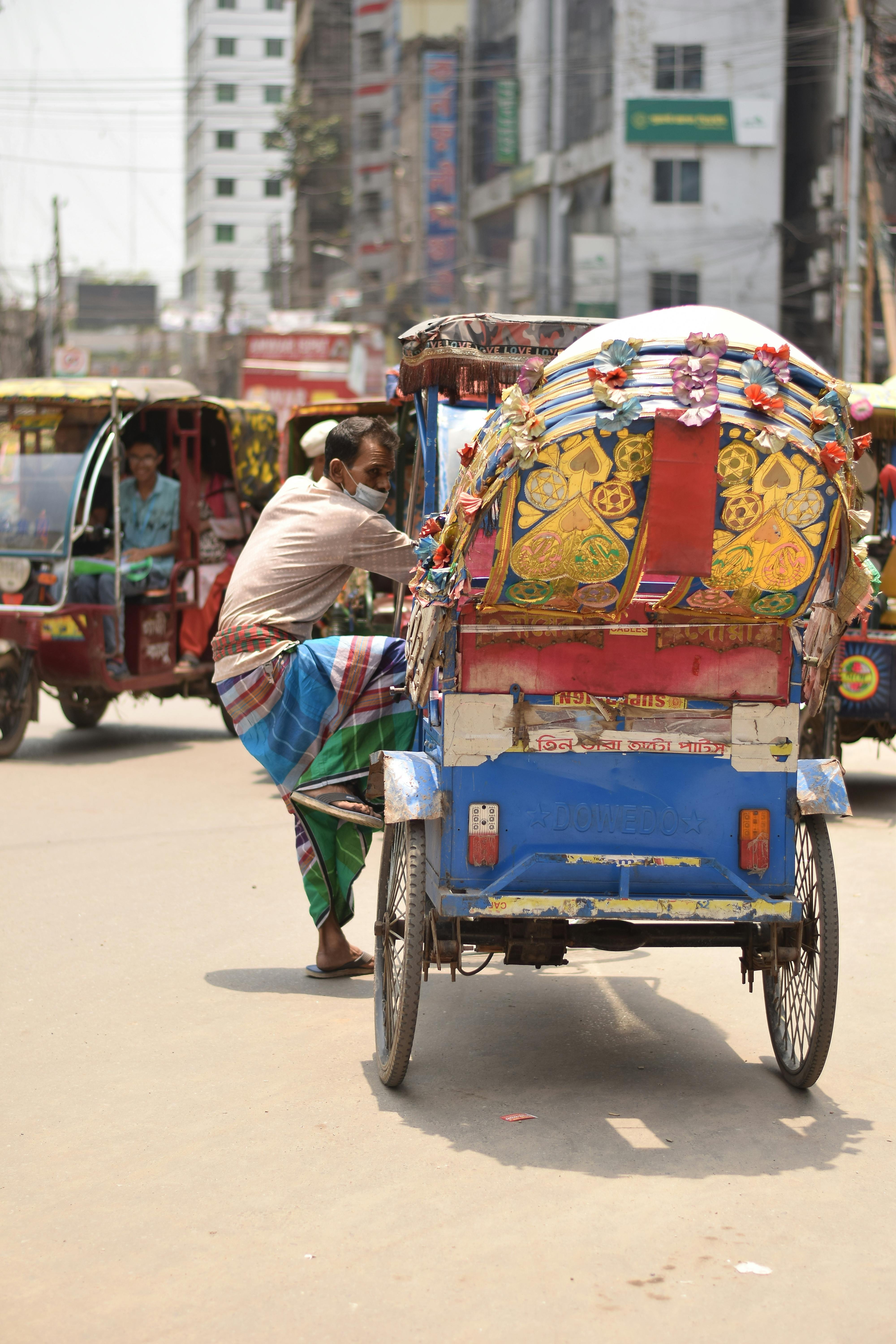
Many travellers head to Bangladesh to see family, attend weddings, work with organisations, study, or spend time in Dhaka before moving on elsewhere in the country. Some trips are short and city-based; others involve longer stays, rural districts, monsoon-season travel, or visits to relatives where you eat in homes and move around far more like a local than a hotel guest would. That distinction shapes the advice. Food and water exposure tends to rise when you are staying with family or travelling beyond the main business areas. Mosquito exposure can be meaningful in towns as well as the countryside. Rural northwest travel, rice-growing areas and the Chittagong Hill Tracts each raise their own questions about Japanese encephalitis and malaria. Bring your rough route if you have one.
Many travellers head to Bangladesh to see family, attend weddings, work with organisations, study, or spend time in Dhaka before moving on elsewhere in the country. Some trips are short and city-based; others involve longer stays, rural districts, monsoon-season travel, or visits to relatives where you eat in homes and move around far more like a local than a hotel guest would. That distinction shapes the advice. Food and water exposure tends to rise when you are staying with family or travelling beyond the main business areas. Mosquito exposure can be meaningful in towns as well as the countryside. Rural northwest travel, rice-growing areas and the Chittagong Hill Tracts each raise their own questions about Japanese encephalitis and malaria. Bring your rough route if you have one.
Many travellers head to Bangladesh to see family, attend weddings, work with organisations, study, or spend time in Dhaka before moving on elsewhere in the country. Some trips are short and city-based; others involve longer stays, rural districts, monsoon-season travel, or visits to relatives where you eat in homes and move around far more like a local than a hotel guest would. That distinction shapes the advice. Food and water exposure tends to rise when you are staying with family or travelling beyond the main business areas. Mosquito exposure can be meaningful in towns as well as the countryside. Rural northwest travel, rice-growing areas and the Chittagong Hill Tracts each raise their own questions about Japanese encephalitis and malaria. Bring your rough route if you have one.
Mosquitoes here are not only a rural problem
Mosquitoes here are not only a rural problem
Mosquitoes here are not only a rural problem
Dengue is central to Bangladesh travel health, urban areas such as Dhaka included. The mosquitoes that spread it usually bite in daylight, so bed nets alone are not enough. Repellent, long sleeves where practical, and somewhere with screens or air conditioning all make a real difference. Chikungunya and Zika are also mosquito-borne risks here; Zika in particular needs discussion if you are pregnant or planning a pregnancy. Hepatitis A is routinely recommended for previously unvaccinated travellers because it spreads through contaminated food and water. Typhoid is usually relevant too, especially for longer stays, children, frequent travellers, or visits where food hygiene may vary. Tetanus should be current, and the consultation is a good moment to confirm routine UK cover such as MMR and diphtheria-tetanus-polio. Malaria risk is not uniform across Bangladesh. The Chittagong Hill Tract districts are treated as higher risk, and tablets are usually advised for travel there. The rest of the country, including Dhaka and Chittagong city, is classed as very low risk, where bite avoidance and recognising malaria symptoms count for more than routine tablets. Rabies is present. Pre-travel rabies vaccination is worth discussing for children, cyclists, runners, long stays, animal work, or travel where urgent treatment could be hard to reach. Japanese encephalitis may also arise for longer rural stays, particularly around rice fields or pig-farming areas, with risk highest around and after the monsoon months from June to November.
Dengue is central to Bangladesh travel health, urban areas such as Dhaka included. The mosquitoes that spread it usually bite in daylight, so bed nets alone are not enough. Repellent, long sleeves where practical, and somewhere with screens or air conditioning all make a real difference. Chikungunya and Zika are also mosquito-borne risks here; Zika in particular needs discussion if you are pregnant or planning a pregnancy. Hepatitis A is routinely recommended for previously unvaccinated travellers because it spreads through contaminated food and water. Typhoid is usually relevant too, especially for longer stays, children, frequent travellers, or visits where food hygiene may vary. Tetanus should be current, and the consultation is a good moment to confirm routine UK cover such as MMR and diphtheria-tetanus-polio. Malaria risk is not uniform across Bangladesh. The Chittagong Hill Tract districts are treated as higher risk, and tablets are usually advised for travel there. The rest of the country, including Dhaka and Chittagong city, is classed as very low risk, where bite avoidance and recognising malaria symptoms count for more than routine tablets. Rabies is present. Pre-travel rabies vaccination is worth discussing for children, cyclists, runners, long stays, animal work, or travel where urgent treatment could be hard to reach. Japanese encephalitis may also arise for longer rural stays, particularly around rice fields or pig-farming areas, with risk highest around and after the monsoon months from June to November.
Dengue is central to Bangladesh travel health, urban areas such as Dhaka included. The mosquitoes that spread it usually bite in daylight, so bed nets alone are not enough. Repellent, long sleeves where practical, and somewhere with screens or air conditioning all make a real difference. Chikungunya and Zika are also mosquito-borne risks here; Zika in particular needs discussion if you are pregnant or planning a pregnancy. Hepatitis A is routinely recommended for previously unvaccinated travellers because it spreads through contaminated food and water. Typhoid is usually relevant too, especially for longer stays, children, frequent travellers, or visits where food hygiene may vary. Tetanus should be current, and the consultation is a good moment to confirm routine UK cover such as MMR and diphtheria-tetanus-polio. Malaria risk is not uniform across Bangladesh. The Chittagong Hill Tract districts are treated as higher risk, and tablets are usually advised for travel there. The rest of the country, including Dhaka and Chittagong city, is classed as very low risk, where bite avoidance and recognising malaria symptoms count for more than routine tablets. Rabies is present. Pre-travel rabies vaccination is worth discussing for children, cyclists, runners, long stays, animal work, or travel where urgent treatment could be hard to reach. Japanese encephalitis may also arise for longer rural stays, particularly around rice fields or pig-farming areas, with risk highest around and after the monsoon months from June to November.
Plan the appointment around your route, not just your flight date
Plan the appointment around your route, not just your flight date
Plan the appointment around your route, not just your flight date
Book your travel health appointment four to six weeks before departure where you can. That leaves time to review your vaccine history and complete any courses that need spacing. Travelling sooner? Still come in — last-minute advice can still change how you handle food, water, bites, malaria and animal exposure. For Bangladesh, bring your dates, the districts if you know them, whether you are staying with family, and whether children, pregnancy, medical conditions or regular medicines are part of the picture. We will check routine jabs, talk through hepatitis A, typhoid and other destination-relevant vaccines, and decide whether malaria tablets are needed for any leg of your route. Pack repellent for daytime and evening use, and be careful with untreated water, ice, salads and food left sitting warm.
Book your travel health appointment four to six weeks before departure where you can. That leaves time to review your vaccine history and complete any courses that need spacing. Travelling sooner? Still come in — last-minute advice can still change how you handle food, water, bites, malaria and animal exposure. For Bangladesh, bring your dates, the districts if you know them, whether you are staying with family, and whether children, pregnancy, medical conditions or regular medicines are part of the picture. We will check routine jabs, talk through hepatitis A, typhoid and other destination-relevant vaccines, and decide whether malaria tablets are needed for any leg of your route. Pack repellent for daytime and evening use, and be careful with untreated water, ice, salads and food left sitting warm.
Book your travel health appointment four to six weeks before departure where you can. That leaves time to review your vaccine history and complete any courses that need spacing. Travelling sooner? Still come in — last-minute advice can still change how you handle food, water, bites, malaria and animal exposure. For Bangladesh, bring your dates, the districts if you know them, whether you are staying with family, and whether children, pregnancy, medical conditions or regular medicines are part of the picture. We will check routine jabs, talk through hepatitis A, typhoid and other destination-relevant vaccines, and decide whether malaria tablets are needed for any leg of your route. Pack repellent for daytime and evening use, and be careful with untreated water, ice, salads and food left sitting warm.
Local advice before you fly
Local advice before you fly
Local advice before you fly
If Bangladesh is on your calendar, a short travel consultation can make the preparation far clearer. Kensington Clinics runs prescriber-led travel appointments at our South Kensington and Hammersmith pharmacies across the week. Call 020 7589 4186 (South Kensington) or 020 7603 4761 (Olympia, Hammersmith) to book, and bring any vaccine records you already have.
If Bangladesh is on your calendar, a short travel consultation can make the preparation far clearer. Kensington Clinics runs prescriber-led travel appointments at our South Kensington and Hammersmith pharmacies across the week. Call 020 7589 4186 (South Kensington) or 020 7603 4761 (Olympia, Hammersmith) to book, and bring any vaccine records you already have.
If Bangladesh is on your calendar, a short travel consultation can make the preparation far clearer. Kensington Clinics runs prescriber-led travel appointments at our South Kensington and Hammersmith pharmacies across the week. Call 020 7589 4186 (South Kensington) or 020 7603 4761 (Olympia, Hammersmith) to book, and bring any vaccine records you already have.
Frequently Asked Questions
Common questions about this destination.
Common questions about this destination.
Common questions about this destination.
Do I need vaccinations before travelling to Bangladesh from the UK?
Do I need vaccinations before travelling to Bangladesh from the UK?
Do I need vaccinations before travelling to Bangladesh from the UK?
Most travellers should confirm hepatitis A, typhoid and tetanus cover before Bangladesh. Depending on your plans, hepatitis B, rabies, Japanese encephalitis, cholera or other vaccines may also come up. Your previous vaccine history matters, so bring any records you have.
Most travellers should confirm hepatitis A, typhoid and tetanus cover before Bangladesh. Depending on your plans, hepatitis B, rabies, Japanese encephalitis, cholera or other vaccines may also come up. Your previous vaccine history matters, so bring any records you have.
Most travellers should confirm hepatitis A, typhoid and tetanus cover before Bangladesh. Depending on your plans, hepatitis B, rabies, Japanese encephalitis, cholera or other vaccines may also come up. Your previous vaccine history matters, so bring any records you have.
Do I need malaria tablets for Bangladesh?
Do I need malaria tablets for Bangladesh?
Do I need malaria tablets for Bangladesh?
Tablets are usually advised for the Chittagong Hill Tract districts. Across the rest of Bangladesh, including Dhaka and Chittagong city, risk is classed as very low, so bite avoidance and symptom awareness tend to be the focus. If your route is uncertain, get advice before you travel rather than deciding at the airport.
Tablets are usually advised for the Chittagong Hill Tract districts. Across the rest of Bangladesh, including Dhaka and Chittagong city, risk is classed as very low, so bite avoidance and symptom awareness tend to be the focus. If your route is uncertain, get advice before you travel rather than deciding at the airport.
Tablets are usually advised for the Chittagong Hill Tract districts. Across the rest of Bangladesh, including Dhaka and Chittagong city, risk is classed as very low, so bite avoidance and symptom awareness tend to be the focus. If your route is uncertain, get advice before you travel rather than deciding at the airport.
How soon before my Bangladesh trip should I book a travel clinic appointment?
How soon before my Bangladesh trip should I book a travel clinic appointment?
How soon before my Bangladesh trip should I book a travel clinic appointment?
Four to six weeks ahead is ideal, because some vaccines need time or more than one dose. Leaving sooner? An appointment is still worthwhile — you may still be able to start important vaccines, check malaria advice and pick up practical risk-reduction guidance.
Four to six weeks ahead is ideal, because some vaccines need time or more than one dose. Leaving sooner? An appointment is still worthwhile — you may still be able to start important vaccines, check malaria advice and pick up practical risk-reduction guidance.
Four to six weeks ahead is ideal, because some vaccines need time or more than one dose. Leaving sooner? An appointment is still worthwhile — you may still be able to start important vaccines, check malaria advice and pick up practical risk-reduction guidance.
Is dengue a real concern in Dhaka and other cities?
Is dengue a real concern in Dhaka and other cities?
Is dengue a real concern in Dhaka and other cities?
Yes. Dengue can be very much an urban issue in Bangladesh, and the mosquitoes behind it often bite in daylight. Use repellent, cover skin where practical, and choose accommodation with screens or air conditioning where you can. Seek medical advice if you develop fever, severe aches or a rash during or after travel.
Yes. Dengue can be very much an urban issue in Bangladesh, and the mosquitoes behind it often bite in daylight. Use repellent, cover skin where practical, and choose accommodation with screens or air conditioning where you can. Seek medical advice if you develop fever, severe aches or a rash during or after travel.
Yes. Dengue can be very much an urban issue in Bangladesh, and the mosquitoes behind it often bite in daylight. Use repellent, cover skin where practical, and choose accommodation with screens or air conditioning where you can. Seek medical advice if you develop fever, severe aches or a rash during or after travel.
What should pregnant travellers or people planning pregnancy know about Bangladesh?
What should pregnant travellers or people planning pregnancy know about Bangladesh?
What should pregnant travellers or people planning pregnancy know about Bangladesh?
Bangladesh has a recognised Zika risk, so pregnancy and conception plans should be discussed before you travel. Anyone pregnant should speak with their GP, midwife or travel health clinician about whether the trip is advisable. Couples planning a pregnancy may need to follow time-based precautions after possible Zika exposure.
Bangladesh has a recognised Zika risk, so pregnancy and conception plans should be discussed before you travel. Anyone pregnant should speak with their GP, midwife or travel health clinician about whether the trip is advisable. Couples planning a pregnancy may need to follow time-based precautions after possible Zika exposure.
Bangladesh has a recognised Zika risk, so pregnancy and conception plans should be discussed before you travel. Anyone pregnant should speak with their GP, midwife or travel health clinician about whether the trip is advisable. Couples planning a pregnancy may need to follow time-based precautions after possible Zika exposure.