Travelling to these places? We can help
Colombia Travel Vaccinations and Health Advice
Colombia Travel Vaccinations and Health Advice
Colombia Travel Vaccinations and Health Advice
Yellow fever, dengue and altitude can all matter in Colombia. Get clear vaccine and malaria advice at Kensington Clinics in South Kensington before you travel.
Yellow fever, dengue and altitude can all matter in Colombia. Get clear vaccine and malaria advice at Kensington Clinics in South Kensington before you travel.
Yellow fever, dengue and altitude can all matter in Colombia. Get clear vaccine and malaria advice at Kensington Clinics in South Kensington before you travel.
Travel health advice
Colombia
Colombia
Recommended vaccines
Yellow Fever
Hepatitis A
Typhoid
Consultations are £25 and redeemable against any vaccine course on the day. Same-week appointments available for most travellers.
Consultations are £25 and redeemable against any vaccine course on the day. Same-week appointments available for most travellers.
Colombia needs a proper map-based check
Colombia needs a proper map-based check
Colombia needs a proper map-based check
Colombia is one of those destinations where your route matters far more than the country name alone. Bogotá sits high enough for altitude to count. Lower, rural regions can bring yellow fever and malaria into play. Day-biting mosquitoes are part of the picture too. At Kensington Clinics, we look at where you are going, how long for and what you are likely to do, then talk through the vaccines and precautions that make sense for that specific trip.
Colombia is one of those destinations where your route matters far more than the country name alone. Bogotá sits high enough for altitude to count. Lower, rural regions can bring yellow fever and malaria into play. Day-biting mosquitoes are part of the picture too. At Kensington Clinics, we look at where you are going, how long for and what you are likely to do, then talk through the vaccines and precautions that make sense for that specific trip.
Colombia is one of those destinations where your route matters far more than the country name alone. Bogotá sits high enough for altitude to count. Lower, rural regions can bring yellow fever and malaria into play. Day-biting mosquitoes are part of the picture too. At Kensington Clinics, we look at where you are going, how long for and what you are likely to do, then talk through the vaccines and precautions that make sense for that specific trip.
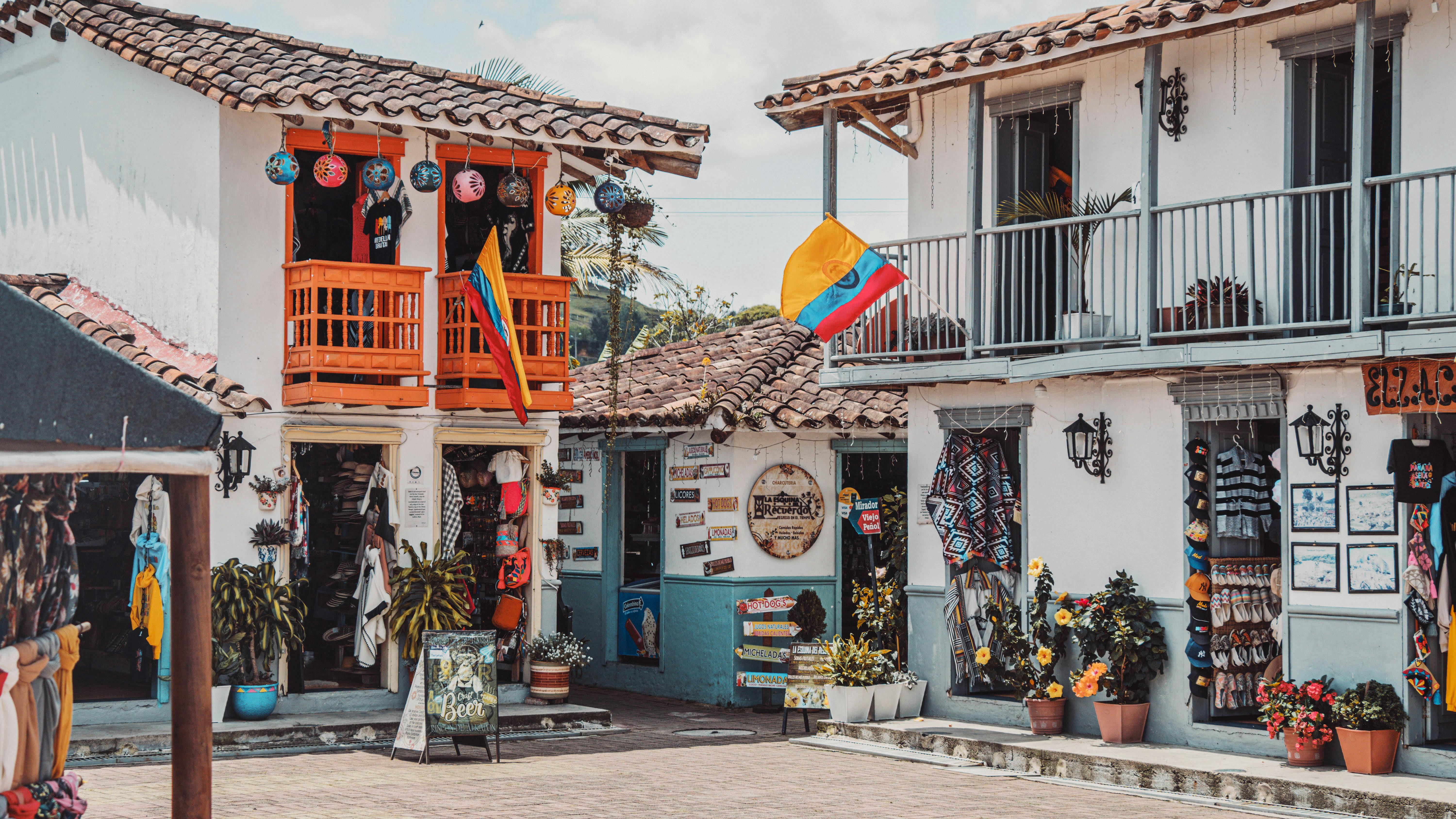
City stays, family visits and jungle routes are very different trips
City stays, family visits and jungle routes are very different trips
City stays, family visits and jungle routes are very different trips
Plenty of UK travellers stick to Bogotá, Medellín, Cartagena or Cali, often with internal flights and a fairly structured plan. That kind of trip has a different health profile from several weeks moving through rural departments, visiting family, working in healthcare, volunteering, cycling, trekking or heading towards forested, lower-altitude areas. Food and water precautions matter everywhere, cities included. Mosquito precautions grow in importance in warmer, lower regions and around towns as well as rural areas. If you are visiting friends and relatives, staying longer than a standard holiday, or travelling with children, the vaccine conversation usually gets more detailed — as it does when plans are still loose and you might add rural side trips once you arrive.
Plenty of UK travellers stick to Bogotá, Medellín, Cartagena or Cali, often with internal flights and a fairly structured plan. That kind of trip has a different health profile from several weeks moving through rural departments, visiting family, working in healthcare, volunteering, cycling, trekking or heading towards forested, lower-altitude areas. Food and water precautions matter everywhere, cities included. Mosquito precautions grow in importance in warmer, lower regions and around towns as well as rural areas. If you are visiting friends and relatives, staying longer than a standard holiday, or travelling with children, the vaccine conversation usually gets more detailed — as it does when plans are still loose and you might add rural side trips once you arrive.
Plenty of UK travellers stick to Bogotá, Medellín, Cartagena or Cali, often with internal flights and a fairly structured plan. That kind of trip has a different health profile from several weeks moving through rural departments, visiting family, working in healthcare, volunteering, cycling, trekking or heading towards forested, lower-altitude areas. Food and water precautions matter everywhere, cities included. Mosquito precautions grow in importance in warmer, lower regions and around towns as well as rural areas. If you are visiting friends and relatives, staying longer than a standard holiday, or travelling with children, the vaccine conversation usually gets more detailed — as it does when plans are still loose and you might add rural side trips once you arrive.
Yellow fever, altitude and daytime mosquitoes shape the advice
Yellow fever, altitude and daytime mosquitoes shape the advice
Yellow fever, altitude and daytime mosquitoes shape the advice
Yellow fever is the Colombia risk people often leave too late. Vaccination is recommended for many travellers visiting areas below 2,300 metres, and isn't usually needed for travel only to Bogotá or areas above 2,300 metres. It is also generally not recommended for itineraries limited to places such as Cartagena, Medellín, Cali or Barranquilla, though advice can shift if outbreak activity changes. The vaccine isn't suitable for everyone, so age, medical history and route all need careful checking. Hepatitis A is routinely recommended for previously unvaccinated travellers, since exposure can occur through food, water or close contact. Typhoid is often discussed too, especially for longer stays, areas with poorer sanitation, younger children and visits to friends or relatives. Tetanus should be current, particularly if you may be away from reliable medical care. Malaria risk is usually low rather than high, but it exists in rural areas below 1,600 metres. For most city-only trips, tablets aren't the main issue. For some higher-risk travellers — long-stay visitors, anyone pregnant, young children or people with complex conditions — antimalarials may be considered after a proper assessment. Dengue, Zika, chikungunya and Oropouche are spread by biting insects, often in daylight. Repellent, covered skin and screened or air-conditioned rooms are practical essentials, not optional extras. Rabies is present too, including in domestic animals and bats, so runners, cyclists, children and longer-stay travellers should discuss pre-travel rabies vaccination.
Yellow fever is the Colombia risk people often leave too late. Vaccination is recommended for many travellers visiting areas below 2,300 metres, and isn't usually needed for travel only to Bogotá or areas above 2,300 metres. It is also generally not recommended for itineraries limited to places such as Cartagena, Medellín, Cali or Barranquilla, though advice can shift if outbreak activity changes. The vaccine isn't suitable for everyone, so age, medical history and route all need careful checking. Hepatitis A is routinely recommended for previously unvaccinated travellers, since exposure can occur through food, water or close contact. Typhoid is often discussed too, especially for longer stays, areas with poorer sanitation, younger children and visits to friends or relatives. Tetanus should be current, particularly if you may be away from reliable medical care. Malaria risk is usually low rather than high, but it exists in rural areas below 1,600 metres. For most city-only trips, tablets aren't the main issue. For some higher-risk travellers — long-stay visitors, anyone pregnant, young children or people with complex conditions — antimalarials may be considered after a proper assessment. Dengue, Zika, chikungunya and Oropouche are spread by biting insects, often in daylight. Repellent, covered skin and screened or air-conditioned rooms are practical essentials, not optional extras. Rabies is present too, including in domestic animals and bats, so runners, cyclists, children and longer-stay travellers should discuss pre-travel rabies vaccination.
Yellow fever is the Colombia risk people often leave too late. Vaccination is recommended for many travellers visiting areas below 2,300 metres, and isn't usually needed for travel only to Bogotá or areas above 2,300 metres. It is also generally not recommended for itineraries limited to places such as Cartagena, Medellín, Cali or Barranquilla, though advice can shift if outbreak activity changes. The vaccine isn't suitable for everyone, so age, medical history and route all need careful checking. Hepatitis A is routinely recommended for previously unvaccinated travellers, since exposure can occur through food, water or close contact. Typhoid is often discussed too, especially for longer stays, areas with poorer sanitation, younger children and visits to friends or relatives. Tetanus should be current, particularly if you may be away from reliable medical care. Malaria risk is usually low rather than high, but it exists in rural areas below 1,600 metres. For most city-only trips, tablets aren't the main issue. For some higher-risk travellers — long-stay visitors, anyone pregnant, young children or people with complex conditions — antimalarials may be considered after a proper assessment. Dengue, Zika, chikungunya and Oropouche are spread by biting insects, often in daylight. Repellent, covered skin and screened or air-conditioned rooms are practical essentials, not optional extras. Rabies is present too, including in domestic animals and bats, so runners, cyclists, children and longer-stay travellers should discuss pre-travel rabies vaccination.
What to do six weeks before you fly
What to do six weeks before you fly
What to do six weeks before you fly
Book a travel health appointment four to six weeks before departure where you can. That allows time to check your routine UK vaccines, plan any travel jabs and talk through yellow fever carefully if your route includes lower-altitude or forested regions. Leaving sooner? Still come in — some protection and advice is better handled late than missed entirely. Bring your itinerary, even a rough one. Include internal flights, rural stays, volunteer work, family visits, hiking, cycling and any Amazon or coffee-region plans. A Colombia consultation should cover food and water hygiene, insect bite avoidance, altitude in Bogotá and other high places, rabies first aid after bites or scratches, malaria awareness, and what to do if you develop fever during or after the trip.
Book a travel health appointment four to six weeks before departure where you can. That allows time to check your routine UK vaccines, plan any travel jabs and talk through yellow fever carefully if your route includes lower-altitude or forested regions. Leaving sooner? Still come in — some protection and advice is better handled late than missed entirely. Bring your itinerary, even a rough one. Include internal flights, rural stays, volunteer work, family visits, hiking, cycling and any Amazon or coffee-region plans. A Colombia consultation should cover food and water hygiene, insect bite avoidance, altitude in Bogotá and other high places, rabies first aid after bites or scratches, malaria awareness, and what to do if you develop fever during or after the trip.
Book a travel health appointment four to six weeks before departure where you can. That allows time to check your routine UK vaccines, plan any travel jabs and talk through yellow fever carefully if your route includes lower-altitude or forested regions. Leaving sooner? Still come in — some protection and advice is better handled late than missed entirely. Bring your itinerary, even a rough one. Include internal flights, rural stays, volunteer work, family visits, hiking, cycling and any Amazon or coffee-region plans. A Colombia consultation should cover food and water hygiene, insect bite avoidance, altitude in Bogotá and other high places, rabies first aid after bites or scratches, malaria awareness, and what to do if you develop fever during or after the trip.
Get your Colombia advice in South Kensington
Get your Colombia advice in South Kensington
Get your Colombia advice in South Kensington
If Colombia is on your calendar, a short appointment can make the health planning much clearer. Kensington Clinics will check your route, previous vaccines and timing, then advise on travel vaccinations, yellow fever suitability and malaria precautions where relevant. Our prescriber-led pharmacies in South Kensington and Hammersmith make it easy to book before you travel, leaving time to act on the advice.
If Colombia is on your calendar, a short appointment can make the health planning much clearer. Kensington Clinics will check your route, previous vaccines and timing, then advise on travel vaccinations, yellow fever suitability and malaria precautions where relevant. Our prescriber-led pharmacies in South Kensington and Hammersmith make it easy to book before you travel, leaving time to act on the advice.
If Colombia is on your calendar, a short appointment can make the health planning much clearer. Kensington Clinics will check your route, previous vaccines and timing, then advise on travel vaccinations, yellow fever suitability and malaria precautions where relevant. Our prescriber-led pharmacies in South Kensington and Hammersmith make it easy to book before you travel, leaving time to act on the advice.
Frequently Asked Questions
Common questions about this destination.
Common questions about this destination.
Common questions about this destination.
Which vaccines do I need for Colombia from the UK?
Which vaccines do I need for Colombia from the UK?
Which vaccines do I need for Colombia from the UK?
Hepatitis A, tetanus and typhoid are commonly considered for Colombia, depending on your vaccination history and itinerary. Yellow fever may be recommended for lower-altitude risk areas. Rabies, dengue, chikungunya or BCG are relevant only for some travellers, so it's best to check your route with a travel health professional.
Hepatitis A, tetanus and typhoid are commonly considered for Colombia, depending on your vaccination history and itinerary. Yellow fever may be recommended for lower-altitude risk areas. Rabies, dengue, chikungunya or BCG are relevant only for some travellers, so it's best to check your route with a travel health professional.
Hepatitis A, tetanus and typhoid are commonly considered for Colombia, depending on your vaccination history and itinerary. Yellow fever may be recommended for lower-altitude risk areas. Rabies, dengue, chikungunya or BCG are relevant only for some travellers, so it's best to check your route with a travel health professional.
Do I need a yellow fever vaccine for Colombia?
Do I need a yellow fever vaccine for Colombia?
Do I need a yellow fever vaccine for Colombia?
You may need yellow fever vaccination if your trip includes parts of Colombia below 2,300 metres. It isn't usually recommended for travel only to Bogotá, San Andrés and Providencia, or areas above 2,300 metres, and is generally not advised for some city-only itineraries such as Cartagena or Medellín. Because the vaccine isn't suitable for everyone, a proper eligibility check matters.
You may need yellow fever vaccination if your trip includes parts of Colombia below 2,300 metres. It isn't usually recommended for travel only to Bogotá, San Andrés and Providencia, or areas above 2,300 metres, and is generally not advised for some city-only itineraries such as Cartagena or Medellín. Because the vaccine isn't suitable for everyone, a proper eligibility check matters.
You may need yellow fever vaccination if your trip includes parts of Colombia below 2,300 metres. It isn't usually recommended for travel only to Bogotá, San Andrés and Providencia, or areas above 2,300 metres, and is generally not advised for some city-only itineraries such as Cartagena or Medellín. Because the vaccine isn't suitable for everyone, a proper eligibility check matters.
Is malaria a risk in Colombia?
Is malaria a risk in Colombia?
Is malaria a risk in Colombia?
Malaria risk in Colombia is mainly low in rural areas below 1,600 metres, and very low in some other areas including Cartagena. Many city-based travellers don't need tablets, but bite avoidance still matters. Tablets may be considered for higher-risk travellers or more rural, longer trips after individual assessment.
Malaria risk in Colombia is mainly low in rural areas below 1,600 metres, and very low in some other areas including Cartagena. Many city-based travellers don't need tablets, but bite avoidance still matters. Tablets may be considered for higher-risk travellers or more rural, longer trips after individual assessment.
Malaria risk in Colombia is mainly low in rural areas below 1,600 metres, and very low in some other areas including Cartagena. Many city-based travellers don't need tablets, but bite avoidance still matters. Tablets may be considered for higher-risk travellers or more rural, longer trips after individual assessment.
How far before travelling to Colombia should I book travel vaccinations?
How far before travelling to Colombia should I book travel vaccinations?
How far before travelling to Colombia should I book travel vaccinations?
Aim for four to six weeks before you travel. That leaves time for vaccines, a yellow fever assessment and any follow-up doses. If departure is closer, book anyway — advice on mosquitoes, food, water, altitude and fever plans remains useful.
Aim for four to six weeks before you travel. That leaves time for vaccines, a yellow fever assessment and any follow-up doses. If departure is closer, book anyway — advice on mosquitoes, food, water, altitude and fever plans remains useful.
Aim for four to six weeks before you travel. That leaves time for vaccines, a yellow fever assessment and any follow-up doses. If departure is closer, book anyway — advice on mosquitoes, food, water, altitude and fever plans remains useful.
Should pregnant travellers be concerned about Zika in Colombia?
Should pregnant travellers be concerned about Zika in Colombia?
Should pregnant travellers be concerned about Zika in Colombia?
Yes — Zika risk is reported in Colombia, and it's particularly relevant during pregnancy or when planning a pregnancy soon after travel. Anyone pregnant should discuss suitability with their GP, midwife or obstetrician alongside travel health advice. Daytime bite avoidance is important, because the mosquitoes that spread Zika can bite outside night-time hours.
Yes — Zika risk is reported in Colombia, and it's particularly relevant during pregnancy or when planning a pregnancy soon after travel. Anyone pregnant should discuss suitability with their GP, midwife or obstetrician alongside travel health advice. Daytime bite avoidance is important, because the mosquitoes that spread Zika can bite outside night-time hours.
Yes — Zika risk is reported in Colombia, and it's particularly relevant during pregnancy or when planning a pregnancy soon after travel. Anyone pregnant should discuss suitability with their GP, midwife or obstetrician alongside travel health advice. Daytime bite avoidance is important, because the mosquitoes that spread Zika can bite outside night-time hours.