Travelling to these places? We can help
Egypt Travel Health and Vaccination Advice
Egypt Travel Health and Vaccination Advice
Egypt Travel Health and Vaccination Advice
Egypt is malaria-free, but dengue, rabies and freshwater schistosomiasis still matter. Get practical vaccine advice in South Kensington before you travel.
Egypt is malaria-free, but dengue, rabies and freshwater schistosomiasis still matter. Get practical vaccine advice in South Kensington before you travel.
Egypt is malaria-free, but dengue, rabies and freshwater schistosomiasis still matter. Get practical vaccine advice in South Kensington before you travel.
Travel health advice
Egypt
Egypt
Recommended vaccines
Hepatitis A
Typhoid
Rabies
Consultations are £25 and redeemable against any vaccine course on the day. Same-week appointments available for most travellers.
Consultations are £25 and redeemable against any vaccine course on the day. Same-week appointments available for most travellers.
Malaria is no longer the main Egypt question
Malaria is no longer the main Egypt question
Malaria is no longer the main Egypt question
For Egypt, the useful starting point is what's changed. In 2024, the WHO declared Egypt malaria-free, so most UK travellers don't need to focus on malaria tablets. That doesn't make travel health irrelevant. Dengue, food and water infections, rabies risk, heat and freshwater exposure all still deserve proper thought. Kensington Clinics can talk through your route, your vaccine history and the practical steps worth taking before you go.
For Egypt, the useful starting point is what's changed. In 2024, the WHO declared Egypt malaria-free, so most UK travellers don't need to focus on malaria tablets. That doesn't make travel health irrelevant. Dengue, food and water infections, rabies risk, heat and freshwater exposure all still deserve proper thought. Kensington Clinics can talk through your route, your vaccine history and the practical steps worth taking before you go.
For Egypt, the useful starting point is what's changed. In 2024, the WHO declared Egypt malaria-free, so most UK travellers don't need to focus on malaria tablets. That doesn't make travel health irrelevant. Dengue, food and water infections, rabies risk, heat and freshwater exposure all still deserve proper thought. Kensington Clinics can talk through your route, your vaccine history and the practical steps worth taking before you go.
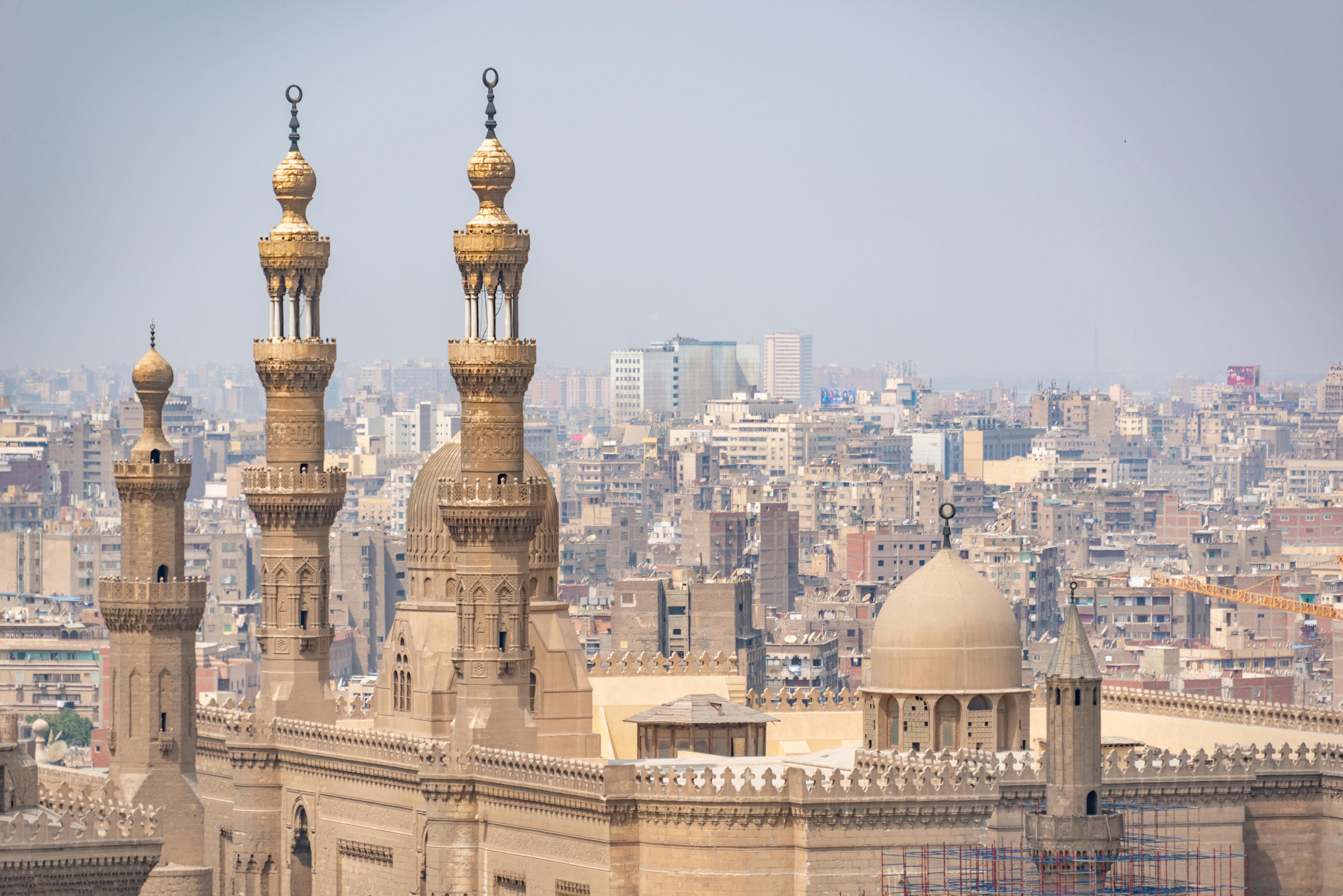
Resort week, Nile route or longer stay
Resort week, Nile route or longer stay
Resort week, Nile route or longer stay
Most Egypt trips fall into a few clear patterns. Some people stay mainly in Red Sea resort areas, where the conversation often centres on routine vaccines, food and water hygiene, sun exposure and bite avoidance. Others combine Cairo with Luxor, Aswan or a Nile cruise, which brings more movement, more eating out and sometimes more freshwater exposure. There are also work trips, diving holidays, Sinai walking routes, family visits and longer stays where access to care may vary. That detail matters in a consultation. A short hotel-based break is usually a different risk picture from a month moving between cities, rural areas and relatives' homes. Children, pregnancy, long-term conditions and previous vaccine gaps can all shift the advice.
Most Egypt trips fall into a few clear patterns. Some people stay mainly in Red Sea resort areas, where the conversation often centres on routine vaccines, food and water hygiene, sun exposure and bite avoidance. Others combine Cairo with Luxor, Aswan or a Nile cruise, which brings more movement, more eating out and sometimes more freshwater exposure. There are also work trips, diving holidays, Sinai walking routes, family visits and longer stays where access to care may vary. That detail matters in a consultation. A short hotel-based break is usually a different risk picture from a month moving between cities, rural areas and relatives' homes. Children, pregnancy, long-term conditions and previous vaccine gaps can all shift the advice.
Most Egypt trips fall into a few clear patterns. Some people stay mainly in Red Sea resort areas, where the conversation often centres on routine vaccines, food and water hygiene, sun exposure and bite avoidance. Others combine Cairo with Luxor, Aswan or a Nile cruise, which brings more movement, more eating out and sometimes more freshwater exposure. There are also work trips, diving holidays, Sinai walking routes, family visits and longer stays where access to care may vary. That detail matters in a consultation. A short hotel-based break is usually a different risk picture from a month moving between cities, rural areas and relatives' homes. Children, pregnancy, long-term conditions and previous vaccine gaps can all shift the advice.
Day-biting mosquitoes and freshwater are easy to underestimate
Day-biting mosquitoes and freshwater are easy to underestimate
Day-biting mosquitoes and freshwater are easy to underestimate
Malaria isn't considered a risk in Egypt, and tablets aren't normally advised. Mosquito precautions still matter because dengue is reported here. The mosquitoes linked with dengue often bite in daylight and turn up in towns and built-up areas, not only rural places. Use repellent, cover up where practical, and choose accommodation with good screens or air conditioning where you can. Hepatitis A is routinely recommended for travellers not vaccinated before, as it spreads through contaminated food and water. Tetanus should be current, particularly if you may be away from easy medical care or doing activities where cuts and scratches are plausible. Typhoid may be considered for longer stays, frequent travel, visiting friends and relatives, or trips where food hygiene is less predictable. Rabies is present in Egypt. Pre-travel rabies vaccination is worth discussing for children, runners, cyclists, longer stays, animal contact and itineraries where prompt treatment after a bite may be harder to reach. Hepatitis B may also be relevant for longer trips, medical or dental treatment abroad, new sexual partners, contact sports or work involving blood exposure. Freshwater is the Egypt-specific risk many people miss. Schistosomiasis can be caught through contact with infected freshwater, including rivers, streams and lakes. Avoid swimming, wading or washing in untreated freshwater. Properly chlorinated pools and sea water are different. Yellow fever vaccination isn't needed because of risk within Egypt, but a certificate may be required if you arrive from, or transit for more than 12 hours through, a country with yellow fever risk. Some travellers may also need to consider polio documentation, depending on route and current entry rules.
Malaria isn't considered a risk in Egypt, and tablets aren't normally advised. Mosquito precautions still matter because dengue is reported here. The mosquitoes linked with dengue often bite in daylight and turn up in towns and built-up areas, not only rural places. Use repellent, cover up where practical, and choose accommodation with good screens or air conditioning where you can. Hepatitis A is routinely recommended for travellers not vaccinated before, as it spreads through contaminated food and water. Tetanus should be current, particularly if you may be away from easy medical care or doing activities where cuts and scratches are plausible. Typhoid may be considered for longer stays, frequent travel, visiting friends and relatives, or trips where food hygiene is less predictable. Rabies is present in Egypt. Pre-travel rabies vaccination is worth discussing for children, runners, cyclists, longer stays, animal contact and itineraries where prompt treatment after a bite may be harder to reach. Hepatitis B may also be relevant for longer trips, medical or dental treatment abroad, new sexual partners, contact sports or work involving blood exposure. Freshwater is the Egypt-specific risk many people miss. Schistosomiasis can be caught through contact with infected freshwater, including rivers, streams and lakes. Avoid swimming, wading or washing in untreated freshwater. Properly chlorinated pools and sea water are different. Yellow fever vaccination isn't needed because of risk within Egypt, but a certificate may be required if you arrive from, or transit for more than 12 hours through, a country with yellow fever risk. Some travellers may also need to consider polio documentation, depending on route and current entry rules.
Malaria isn't considered a risk in Egypt, and tablets aren't normally advised. Mosquito precautions still matter because dengue is reported here. The mosquitoes linked with dengue often bite in daylight and turn up in towns and built-up areas, not only rural places. Use repellent, cover up where practical, and choose accommodation with good screens or air conditioning where you can. Hepatitis A is routinely recommended for travellers not vaccinated before, as it spreads through contaminated food and water. Tetanus should be current, particularly if you may be away from easy medical care or doing activities where cuts and scratches are plausible. Typhoid may be considered for longer stays, frequent travel, visiting friends and relatives, or trips where food hygiene is less predictable. Rabies is present in Egypt. Pre-travel rabies vaccination is worth discussing for children, runners, cyclists, longer stays, animal contact and itineraries where prompt treatment after a bite may be harder to reach. Hepatitis B may also be relevant for longer trips, medical or dental treatment abroad, new sexual partners, contact sports or work involving blood exposure. Freshwater is the Egypt-specific risk many people miss. Schistosomiasis can be caught through contact with infected freshwater, including rivers, streams and lakes. Avoid swimming, wading or washing in untreated freshwater. Properly chlorinated pools and sea water are different. Yellow fever vaccination isn't needed because of risk within Egypt, but a certificate may be required if you arrive from, or transit for more than 12 hours through, a country with yellow fever risk. Some travellers may also need to consider polio documentation, depending on route and current entry rules.
What to check before you travel
What to check before you travel
What to check before you travel
Book a travel health appointment four to six weeks before departure where you can. That leaves time to review your vaccine history and complete any courses needing more than one dose. Travelling sooner? Still come in — short-notice advice is useful, especially for food and water precautions, bite avoidance and deciding which vaccines are realistic before departure. Bring your itinerary, dates, previous vaccine records if you have them, and details of any medical conditions, medicines, allergies or pregnancy. For Egypt, the consultation usually covers routine UK vaccines, hepatitis A, tetanus, typhoid, rabies, hepatitis B where relevant, and whether certificate rules apply to your route. It should also cover the practical points: daytime mosquito protection, safe drinking water habits, travel insurance, heat management and avoiding untreated freshwater.
Book a travel health appointment four to six weeks before departure where you can. That leaves time to review your vaccine history and complete any courses needing more than one dose. Travelling sooner? Still come in — short-notice advice is useful, especially for food and water precautions, bite avoidance and deciding which vaccines are realistic before departure. Bring your itinerary, dates, previous vaccine records if you have them, and details of any medical conditions, medicines, allergies or pregnancy. For Egypt, the consultation usually covers routine UK vaccines, hepatitis A, tetanus, typhoid, rabies, hepatitis B where relevant, and whether certificate rules apply to your route. It should also cover the practical points: daytime mosquito protection, safe drinking water habits, travel insurance, heat management and avoiding untreated freshwater.
Book a travel health appointment four to six weeks before departure where you can. That leaves time to review your vaccine history and complete any courses needing more than one dose. Travelling sooner? Still come in — short-notice advice is useful, especially for food and water precautions, bite avoidance and deciding which vaccines are realistic before departure. Bring your itinerary, dates, previous vaccine records if you have them, and details of any medical conditions, medicines, allergies or pregnancy. For Egypt, the consultation usually covers routine UK vaccines, hepatitis A, tetanus, typhoid, rabies, hepatitis B where relevant, and whether certificate rules apply to your route. It should also cover the practical points: daytime mosquito protection, safe drinking water habits, travel insurance, heat management and avoiding untreated freshwater.
Get your Egypt advice in South Kensington
Get your Egypt advice in South Kensington
Get your Egypt advice in South Kensington
If Egypt is on your calendar, a focused travel health appointment can make the preparation much clearer. Kensington Clinics runs prescriber-led appointments at our South Kensington and Hammersmith pharmacies, convenient across west and central London. Use the clinic booking page or call 020 7589 4186 to arrange your appointment, and bring your dates and route with you.
If Egypt is on your calendar, a focused travel health appointment can make the preparation much clearer. Kensington Clinics runs prescriber-led appointments at our South Kensington and Hammersmith pharmacies, convenient across west and central London. Use the clinic booking page or call 020 7589 4186 to arrange your appointment, and bring your dates and route with you.
If Egypt is on your calendar, a focused travel health appointment can make the preparation much clearer. Kensington Clinics runs prescriber-led appointments at our South Kensington and Hammersmith pharmacies, convenient across west and central London. Use the clinic booking page or call 020 7589 4186 to arrange your appointment, and bring your dates and route with you.
Frequently Asked Questions
Common questions about this destination.
Common questions about this destination.
Common questions about this destination.
How long before travelling to Egypt should I book travel vaccinations?
How long before travelling to Egypt should I book travel vaccinations?
How long before travelling to Egypt should I book travel vaccinations?
Aim for four to six weeks before you leave. That gives enough time to check your records and complete vaccines needing more than one appointment. If your trip is closer, it's still worth booking, because some protection and practical advice may still help.
Aim for four to six weeks before you leave. That gives enough time to check your records and complete vaccines needing more than one appointment. If your trip is closer, it's still worth booking, because some protection and practical advice may still help.
Aim for four to six weeks before you leave. That gives enough time to check your records and complete vaccines needing more than one appointment. If your trip is closer, it's still worth booking, because some protection and practical advice may still help.
Which vaccinations are usually considered for Egypt?
Which vaccinations are usually considered for Egypt?
Which vaccinations are usually considered for Egypt?
Most travellers should be up to date with routine UK vaccines, including tetanus-containing cover where needed. Hepatitis A is commonly recommended for previously unvaccinated travellers. Typhoid, rabies, hepatitis B and dengue vaccination may be discussed depending on your itinerary, length of stay, activities and medical history.
Most travellers should be up to date with routine UK vaccines, including tetanus-containing cover where needed. Hepatitis A is commonly recommended for previously unvaccinated travellers. Typhoid, rabies, hepatitis B and dengue vaccination may be discussed depending on your itinerary, length of stay, activities and medical history.
Most travellers should be up to date with routine UK vaccines, including tetanus-containing cover where needed. Hepatitis A is commonly recommended for previously unvaccinated travellers. Typhoid, rabies, hepatitis B and dengue vaccination may be discussed depending on your itinerary, length of stay, activities and medical history.
Do I need malaria tablets for Egypt?
Do I need malaria tablets for Egypt?
Do I need malaria tablets for Egypt?
Tablets aren't normally needed for Egypt, as it isn't considered a malaria risk destination. You should still take bite avoidance seriously, as dengue risk is reported and the mosquitoes involved often bite in daylight.
Tablets aren't normally needed for Egypt, as it isn't considered a malaria risk destination. You should still take bite avoidance seriously, as dengue risk is reported and the mosquitoes involved often bite in daylight.
Tablets aren't normally needed for Egypt, as it isn't considered a malaria risk destination. You should still take bite avoidance seriously, as dengue risk is reported and the mosquitoes involved often bite in daylight.
Is it safe to swim in the Nile or freshwater in Egypt?
Is it safe to swim in the Nile or freshwater in Egypt?
Is it safe to swim in the Nile or freshwater in Egypt?
Avoid swimming, wading or washing in untreated freshwater such as rivers, lakes and streams, because schistosomiasis is a risk in Egypt. This is separate from sea swimming and properly chlorinated pools, which are treated differently from a travel health perspective.
Avoid swimming, wading or washing in untreated freshwater such as rivers, lakes and streams, because schistosomiasis is a risk in Egypt. This is separate from sea swimming and properly chlorinated pools, which are treated differently from a travel health perspective.
Avoid swimming, wading or washing in untreated freshwater such as rivers, lakes and streams, because schistosomiasis is a risk in Egypt. This is separate from sea swimming and properly chlorinated pools, which are treated differently from a travel health perspective.
Do I need a yellow fever certificate for Egypt?
Do I need a yellow fever certificate for Egypt?
Do I need a yellow fever certificate for Egypt?
There's no yellow fever risk in Egypt itself. A certificate may be required if you arrive from a country with yellow fever risk, or transit for more than 12 hours through an airport in one of those countries. Your travel clinic can check this against your exact flight route.
There's no yellow fever risk in Egypt itself. A certificate may be required if you arrive from a country with yellow fever risk, or transit for more than 12 hours through an airport in one of those countries. Your travel clinic can check this against your exact flight route.
There's no yellow fever risk in Egypt itself. A certificate may be required if you arrive from a country with yellow fever risk, or transit for more than 12 hours through an airport in one of those countries. Your travel clinic can check this against your exact flight route.