Travelling to these places? We can help
Pakistan Travel Vaccinations and Health Advice
Pakistan Travel Vaccinations and Health Advice
Pakistan Travel Vaccinations and Health Advice
Pakistan needs a careful look at typhoid, polio, rabies and mosquitoes. Book prescriber-led travel advice at Kensington Clinics in South Kensington before you go.
Pakistan needs a careful look at typhoid, polio, rabies and mosquitoes. Book prescriber-led travel advice at Kensington Clinics in South Kensington before you go.
Pakistan needs a careful look at typhoid, polio, rabies and mosquitoes. Book prescriber-led travel advice at Kensington Clinics in South Kensington before you go.
Travel health advice
Pakistan
Pakistan
Recommended vaccines
Typhoid
Hepatitis A
Polio
Consultations are £25 and redeemable against any vaccine course on the day. Same-week appointments available for most travellers.
Consultations are £25 and redeemable against any vaccine course on the day. Same-week appointments available for most travellers.
Typhoid and polio deserve early attention
Typhoid and polio deserve early attention
Typhoid and polio deserve early attention
For travellers heading to Pakistan, two issues are worth flagging straight away: typhoid and polio. Typhoid here is more than a food-and-water nuisance, because extensively drug-resistant strains have been reported in Pakistan. Polio also shapes planning for longer stays, including possible certificate requirements when you leave the country. Kensington Clinics can talk you through vaccines, malaria risk, mosquito precautions and the practical steps to take before you go.
For travellers heading to Pakistan, two issues are worth flagging straight away: typhoid and polio. Typhoid here is more than a food-and-water nuisance, because extensively drug-resistant strains have been reported in Pakistan. Polio also shapes planning for longer stays, including possible certificate requirements when you leave the country. Kensington Clinics can talk you through vaccines, malaria risk, mosquito precautions and the practical steps to take before you go.
For travellers heading to Pakistan, two issues are worth flagging straight away: typhoid and polio. Typhoid here is more than a food-and-water nuisance, because extensively drug-resistant strains have been reported in Pakistan. Polio also shapes planning for longer stays, including possible certificate requirements when you leave the country. Kensington Clinics can talk you through vaccines, malaria risk, mosquito precautions and the practical steps to take before you go.
Family visits, long stays and mixed itineraries are common
Family visits, long stays and mixed itineraries are common
Family visits, long stays and mixed itineraries are common
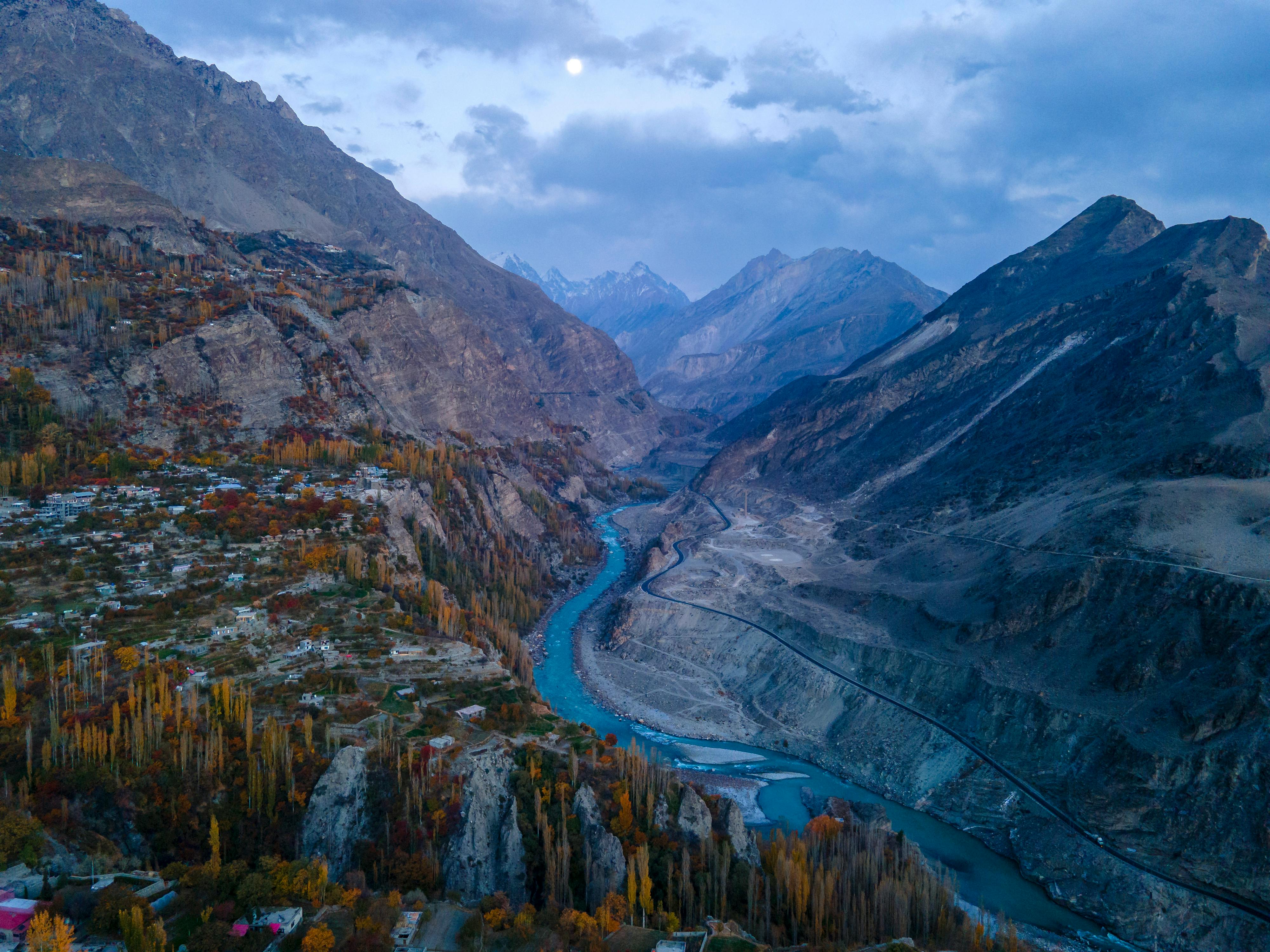
Trips to Pakistan are often not straightforward hotel holidays. People travel for weddings, family visits, work, religious reasons, trekking, or several weeks moving between relatives' homes and different cities. That matters clinically. A short, careful stay in Islamabad or Lahore is not the same as a month with family across Punjab or Sindh, sleeping in several homes, eating home-prepared food and taking long road journeys between districts. Some travellers add mountain regions in the north, where altitude becomes the larger issue rather than infection. Children visiting relatives warrant particular thought, as they may have closer contact with animals, eat a wider range of foods, and be less likely to mention a scratch or bite quickly.
Trips to Pakistan are often not straightforward hotel holidays. People travel for weddings, family visits, work, religious reasons, trekking, or several weeks moving between relatives' homes and different cities. That matters clinically. A short, careful stay in Islamabad or Lahore is not the same as a month with family across Punjab or Sindh, sleeping in several homes, eating home-prepared food and taking long road journeys between districts. Some travellers add mountain regions in the north, where altitude becomes the larger issue rather than infection. Children visiting relatives warrant particular thought, as they may have closer contact with animals, eat a wider range of foods, and be less likely to mention a scratch or bite quickly.
Trips to Pakistan are often not straightforward hotel holidays. People travel for weddings, family visits, work, religious reasons, trekking, or several weeks moving between relatives' homes and different cities. That matters clinically. A short, careful stay in Islamabad or Lahore is not the same as a month with family across Punjab or Sindh, sleeping in several homes, eating home-prepared food and taking long road journeys between districts. Some travellers add mountain regions in the north, where altitude becomes the larger issue rather than infection. Children visiting relatives warrant particular thought, as they may have closer contact with animals, eat a wider range of foods, and be less likely to mention a scratch or bite quickly.
XDR typhoid, polio paperwork and mosquito bites frame the risk
XDR typhoid, polio paperwork and mosquito bites frame the risk
XDR typhoid, polio paperwork and mosquito bites frame the risk
Hepatitis A is routinely recommended for previously unvaccinated travellers to Pakistan, as it spreads through contaminated food and water. Typhoid is important for many travellers too, particularly those visiting friends and relatives, staying longer, eating across a range of homes or smaller local settings, or travelling with children. With extensively drug-resistant typhoid reported in Pakistan, avoiding infection matters even more than usual. Tetanus should be current. Polio needs careful checking: Pakistan is affected by wild poliovirus, and travellers staying four weeks or more may need proof of polio vaccination on an International Certificate of Vaccination or Prophylaxis when leaving the country. This is best sorted before departure, not at the airport. Rabies is a genuine consideration, especially for children, cyclists, runners, longer stays, rural visits and anyone who might struggle to reach prompt care after a bite or scratch. Hepatitis B may be relevant where there is a chance of medical treatment, dental work, sexual exposure, contact sports or longer stays. Malaria risk is generally low below 2,000 metres and very low above it, but bite avoidance still matters. Dengue and Zika are also reported, spread by mosquitoes that can bite in daylight. Japanese encephalitis may be relevant for longer or rural stays, especially around rice-growing or farming areas such as parts of Sindh.
Hepatitis A is routinely recommended for previously unvaccinated travellers to Pakistan, as it spreads through contaminated food and water. Typhoid is important for many travellers too, particularly those visiting friends and relatives, staying longer, eating across a range of homes or smaller local settings, or travelling with children. With extensively drug-resistant typhoid reported in Pakistan, avoiding infection matters even more than usual. Tetanus should be current. Polio needs careful checking: Pakistan is affected by wild poliovirus, and travellers staying four weeks or more may need proof of polio vaccination on an International Certificate of Vaccination or Prophylaxis when leaving the country. This is best sorted before departure, not at the airport. Rabies is a genuine consideration, especially for children, cyclists, runners, longer stays, rural visits and anyone who might struggle to reach prompt care after a bite or scratch. Hepatitis B may be relevant where there is a chance of medical treatment, dental work, sexual exposure, contact sports or longer stays. Malaria risk is generally low below 2,000 metres and very low above it, but bite avoidance still matters. Dengue and Zika are also reported, spread by mosquitoes that can bite in daylight. Japanese encephalitis may be relevant for longer or rural stays, especially around rice-growing or farming areas such as parts of Sindh.
Hepatitis A is routinely recommended for previously unvaccinated travellers to Pakistan, as it spreads through contaminated food and water. Typhoid is important for many travellers too, particularly those visiting friends and relatives, staying longer, eating across a range of homes or smaller local settings, or travelling with children. With extensively drug-resistant typhoid reported in Pakistan, avoiding infection matters even more than usual. Tetanus should be current. Polio needs careful checking: Pakistan is affected by wild poliovirus, and travellers staying four weeks or more may need proof of polio vaccination on an International Certificate of Vaccination or Prophylaxis when leaving the country. This is best sorted before departure, not at the airport. Rabies is a genuine consideration, especially for children, cyclists, runners, longer stays, rural visits and anyone who might struggle to reach prompt care after a bite or scratch. Hepatitis B may be relevant where there is a chance of medical treatment, dental work, sexual exposure, contact sports or longer stays. Malaria risk is generally low below 2,000 metres and very low above it, but bite avoidance still matters. Dengue and Zika are also reported, spread by mosquitoes that can bite in daylight. Japanese encephalitis may be relevant for longer or rural stays, especially around rice-growing or farming areas such as parts of Sindh.
Four to six weeks gives you better options
Four to six weeks gives you better options
Four to six weeks gives you better options
Try to book a travel health appointment four to six weeks before you leave. That allows time to check your routine UK vaccines, talk through hepatitis A, typhoid, tetanus, polio, rabies and others, and plan any certificate paperwork if your stay could reach four weeks or more. Travelling sooner? Still come in — some protection and advice almost always beats none. Bring your itinerary, dates, previous vaccine records and any medical history, including pregnancy, immune problems or regular medicines. For Pakistan, the consultation should cover safe food and water choices, oral rehydration, mosquito repellent, clothing, accommodation, an animal-bite plan and travel insurance. Heading to high altitude? Build in acclimatisation days rather than going high and pushing straight on.
Try to book a travel health appointment four to six weeks before you leave. That allows time to check your routine UK vaccines, talk through hepatitis A, typhoid, tetanus, polio, rabies and others, and plan any certificate paperwork if your stay could reach four weeks or more. Travelling sooner? Still come in — some protection and advice almost always beats none. Bring your itinerary, dates, previous vaccine records and any medical history, including pregnancy, immune problems or regular medicines. For Pakistan, the consultation should cover safe food and water choices, oral rehydration, mosquito repellent, clothing, accommodation, an animal-bite plan and travel insurance. Heading to high altitude? Build in acclimatisation days rather than going high and pushing straight on.
Try to book a travel health appointment four to six weeks before you leave. That allows time to check your routine UK vaccines, talk through hepatitis A, typhoid, tetanus, polio, rabies and others, and plan any certificate paperwork if your stay could reach four weeks or more. Travelling sooner? Still come in — some protection and advice almost always beats none. Bring your itinerary, dates, previous vaccine records and any medical history, including pregnancy, immune problems or regular medicines. For Pakistan, the consultation should cover safe food and water choices, oral rehydration, mosquito repellent, clothing, accommodation, an animal-bite plan and travel insurance. Heading to high altitude? Build in acclimatisation days rather than going high and pushing straight on.
Plan the health side before the packing starts
Plan the health side before the packing starts
Plan the health side before the packing starts
Pakistan travel advice is at its most useful when it reflects your real route, your length of stay and who you are visiting. Kensington Clinics looks after travellers from across west and central London, with prescriber-led appointments in South Kensington and Hammersmith. Book before you travel and bring the details you have, even if the itinerary isn't fully fixed yet.
Pakistan travel advice is at its most useful when it reflects your real route, your length of stay and who you are visiting. Kensington Clinics looks after travellers from across west and central London, with prescriber-led appointments in South Kensington and Hammersmith. Book before you travel and bring the details you have, even if the itinerary isn't fully fixed yet.
Pakistan travel advice is at its most useful when it reflects your real route, your length of stay and who you are visiting. Kensington Clinics looks after travellers from across west and central London, with prescriber-led appointments in South Kensington and Hammersmith. Book before you travel and bring the details you have, even if the itinerary isn't fully fixed yet.
Frequently Asked Questions
Common questions about this destination.
Common questions about this destination.
Common questions about this destination.
What vaccinations do I need for Pakistan from the UK?
What vaccinations do I need for Pakistan from the UK?
What vaccinations do I need for Pakistan from the UK?
Vaccines commonly discussed include hepatitis A, typhoid, tetanus and polio. Depending on your plans, rabies, hepatitis B, Japanese encephalitis, cholera or others may be considered. Your vaccine history, length of stay, age and itinerary all shape the advice.
Vaccines commonly discussed include hepatitis A, typhoid, tetanus and polio. Depending on your plans, rabies, hepatitis B, Japanese encephalitis, cholera or others may be considered. Your vaccine history, length of stay, age and itinerary all shape the advice.
Vaccines commonly discussed include hepatitis A, typhoid, tetanus and polio. Depending on your plans, rabies, hepatitis B, Japanese encephalitis, cholera or others may be considered. Your vaccine history, length of stay, age and itinerary all shape the advice.
Do I need a polio certificate for Pakistan?
Do I need a polio certificate for Pakistan?
Do I need a polio certificate for Pakistan?
If you plan to stay four weeks or more, you may need proof of polio vaccination recorded on an International Certificate of Vaccination or Prophylaxis when leaving Pakistan. The vaccine usually needs recording within a set time window before you depart Pakistan. Check this before you travel, especially for longer family visits.
If you plan to stay four weeks or more, you may need proof of polio vaccination recorded on an International Certificate of Vaccination or Prophylaxis when leaving Pakistan. The vaccine usually needs recording within a set time window before you depart Pakistan. Check this before you travel, especially for longer family visits.
If you plan to stay four weeks or more, you may need proof of polio vaccination recorded on an International Certificate of Vaccination or Prophylaxis when leaving Pakistan. The vaccine usually needs recording within a set time window before you depart Pakistan. Check this before you travel, especially for longer family visits.
Is malaria a risk in Pakistan?
Is malaria a risk in Pakistan?
Is malaria a risk in Pakistan?
Malaria risk is generally low below 2,000 metres and very low above it. Most travellers are advised to focus on careful bite avoidance, though tablets may be considered for some higher-risk travellers or circumstances. A consultation can weigh this against your route and medical background.
Malaria risk is generally low below 2,000 metres and very low above it. Most travellers are advised to focus on careful bite avoidance, though tablets may be considered for some higher-risk travellers or circumstances. A consultation can weigh this against your route and medical background.
Malaria risk is generally low below 2,000 metres and very low above it. Most travellers are advised to focus on careful bite avoidance, though tablets may be considered for some higher-risk travellers or circumstances. A consultation can weigh this against your route and medical background.
Why is typhoid such a concern for Pakistan travel?
Why is typhoid such a concern for Pakistan travel?
Why is typhoid such a concern for Pakistan travel?
Typhoid spreads through contaminated food and water, and Pakistan has reported extensively drug-resistant strains — meaning some antibiotic treatments may not work as expected. Vaccination, hand hygiene, safer food choices and avoiding unsafe water all matter.
Typhoid spreads through contaminated food and water, and Pakistan has reported extensively drug-resistant strains — meaning some antibiotic treatments may not work as expected. Vaccination, hand hygiene, safer food choices and avoiding unsafe water all matter.
Typhoid spreads through contaminated food and water, and Pakistan has reported extensively drug-resistant strains — meaning some antibiotic treatments may not work as expected. Vaccination, hand hygiene, safer food choices and avoiding unsafe water all matter.
How early should I book a Pakistan travel vaccine appointment in London?
How early should I book a Pakistan travel vaccine appointment in London?
How early should I book a Pakistan travel vaccine appointment in London?
Four to six weeks before travel is ideal, leaving time for vaccine courses, boosters and certificate planning. If your trip is sooner, it is still worth booking, because advice, bite prevention and some vaccinations remain useful. Bring any old vaccine records if you have them.
Four to six weeks before travel is ideal, leaving time for vaccine courses, boosters and certificate planning. If your trip is sooner, it is still worth booking, because advice, bite prevention and some vaccinations remain useful. Bring any old vaccine records if you have them.
Four to six weeks before travel is ideal, leaving time for vaccine courses, boosters and certificate planning. If your trip is sooner, it is still worth booking, because advice, bite prevention and some vaccinations remain useful. Bring any old vaccine records if you have them.