Dengue Vaccine in London
Dengue Vaccine in London
Dengue Vaccine in London
Travelling to dengue-risk areas? Get assessed for Qdenga vaccination at Kensington Clinics, with clear advice on timing, suitability and dose schedule.
Travelling to dengue-risk areas? Get assessed for Qdenga vaccination at Kensington Clinics, with clear advice on timing, suitability and dose schedule.
Travelling to dengue-risk areas? Get assessed for Qdenga vaccination at Kensington Clinics, with clear advice on timing, suitability and dose schedule.
Travel health advice
Dengue
Dengue
Spread by
Mosquitoes
Same-week appointments available for most travellers.
Same-week appointments available for most travellers.
Dengue vaccination before travel
Dengue vaccination before travel
Dengue vaccination before travel
Dengue is no longer a niche tropical disease tucked away in textbooks. It affects travellers to parts of Asia, the Caribbean, Central and South America, Africa and the Pacific, including people staying in cities and beach resorts. At Kensington Clinics in London, we assess whether the dengue vaccine is appropriate for your trip, your previous dengue history and your medical background. Some travellers need mosquito advice only. Others may be candidates for vaccination.
Dengue is no longer a niche tropical disease tucked away in textbooks. It affects travellers to parts of Asia, the Caribbean, Central and South America, Africa and the Pacific, including people staying in cities and beach resorts. At Kensington Clinics in London, we assess whether the dengue vaccine is appropriate for your trip, your previous dengue history and your medical background. Some travellers need mosquito advice only. Others may be candidates for vaccination.
Dengue is no longer a niche tropical disease tucked away in textbooks. It affects travellers to parts of Asia, the Caribbean, Central and South America, Africa and the Pacific, including people staying in cities and beach resorts. At Kensington Clinics in London, we assess whether the dengue vaccine is appropriate for your trip, your previous dengue history and your medical background. Some travellers need mosquito advice only. Others may be candidates for vaccination.
A daytime-biting mosquito virus
A daytime-biting mosquito virus
A daytime-biting mosquito virus
Dengue is a viral infection spread mainly by Aedes mosquitoes. These mosquitoes often bite during the day, particularly in the hours after dawn and again in the early evening. They breed close to people, including in water containers, buckets, tyres and other small collections of standing water, so dengue is common in towns and cities as well as rural areas. Many infections cause no symptoms. When illness does appear, it can start suddenly, often with a high fever, severe headache, pain behind the eyes, muscle and joint pain, nausea, vomiting and a rash. Most people recover with supportive care, but dengue can occasionally become severe, with bleeding, abdominal pain, fluid leakage and organ problems. A second dengue infection can carry a higher risk of severe disease than a first infection. Children, pregnant women, older adults and people with certain long-term conditions may also need more careful assessment before travelling to high-risk areas.
Dengue is a viral infection spread mainly by Aedes mosquitoes. These mosquitoes often bite during the day, particularly in the hours after dawn and again in the early evening. They breed close to people, including in water containers, buckets, tyres and other small collections of standing water, so dengue is common in towns and cities as well as rural areas. Many infections cause no symptoms. When illness does appear, it can start suddenly, often with a high fever, severe headache, pain behind the eyes, muscle and joint pain, nausea, vomiting and a rash. Most people recover with supportive care, but dengue can occasionally become severe, with bleeding, abdominal pain, fluid leakage and organ problems. A second dengue infection can carry a higher risk of severe disease than a first infection. Children, pregnant women, older adults and people with certain long-term conditions may also need more careful assessment before travelling to high-risk areas.
Dengue is a viral infection spread mainly by Aedes mosquitoes. These mosquitoes often bite during the day, particularly in the hours after dawn and again in the early evening. They breed close to people, including in water containers, buckets, tyres and other small collections of standing water, so dengue is common in towns and cities as well as rural areas. Many infections cause no symptoms. When illness does appear, it can start suddenly, often with a high fever, severe headache, pain behind the eyes, muscle and joint pain, nausea, vomiting and a rash. Most people recover with supportive care, but dengue can occasionally become severe, with bleeding, abdominal pain, fluid leakage and organ problems. A second dengue infection can carry a higher risk of severe disease than a first infection. Children, pregnant women, older adults and people with certain long-term conditions may also need more careful assessment before travelling to high-risk areas.
What Qdenga can and cannot do
What Qdenga can and cannot do
What Qdenga can and cannot do
The dengue vaccine available in the UK is Qdenga. It is a live attenuated vaccine, meaning it contains weakened dengue virus. It is licensed for people from 4 years of age, but UK guidance is more selective than the licence wording alone. Vaccination is generally considered for travellers aged 4 and over who have had dengue before and are going to an area with dengue risk or an active outbreak. It may also be considered for people exposed through work, such as some laboratory staff. Exceptionally, vaccination may be discussed for someone without a clear past dengue infection, but that needs a careful risk assessment and, in some cases, further specialist advice. Previous infection may be assessed from your history and any test results, though dengue blood tests are not perfect. The course is given as two doses, usually three months apart. Plan early if you can. Qdenga is not suitable for everyone, including people who are immunosuppressed, pregnant or breastfeeding, children under 4, or anyone with a serious allergy to a vaccine component. A booster or repeat course is not something to assume; it should be reviewed against current guidance if you remain at risk later.
The dengue vaccine available in the UK is Qdenga. It is a live attenuated vaccine, meaning it contains weakened dengue virus. It is licensed for people from 4 years of age, but UK guidance is more selective than the licence wording alone. Vaccination is generally considered for travellers aged 4 and over who have had dengue before and are going to an area with dengue risk or an active outbreak. It may also be considered for people exposed through work, such as some laboratory staff. Exceptionally, vaccination may be discussed for someone without a clear past dengue infection, but that needs a careful risk assessment and, in some cases, further specialist advice. Previous infection may be assessed from your history and any test results, though dengue blood tests are not perfect. The course is given as two doses, usually three months apart. Plan early if you can. Qdenga is not suitable for everyone, including people who are immunosuppressed, pregnant or breastfeeding, children under 4, or anyone with a serious allergy to a vaccine component. A booster or repeat course is not something to assume; it should be reviewed against current guidance if you remain at risk later.
The dengue vaccine available in the UK is Qdenga. It is a live attenuated vaccine, meaning it contains weakened dengue virus. It is licensed for people from 4 years of age, but UK guidance is more selective than the licence wording alone. Vaccination is generally considered for travellers aged 4 and over who have had dengue before and are going to an area with dengue risk or an active outbreak. It may also be considered for people exposed through work, such as some laboratory staff. Exceptionally, vaccination may be discussed for someone without a clear past dengue infection, but that needs a careful risk assessment and, in some cases, further specialist advice. Previous infection may be assessed from your history and any test results, though dengue blood tests are not perfect. The course is given as two doses, usually three months apart. Plan early if you can. Qdenga is not suitable for everyone, including people who are immunosuppressed, pregnant or breastfeeding, children under 4, or anyone with a serious allergy to a vaccine component. A booster or repeat course is not something to assume; it should be reviewed against current guidance if you remain at risk later.
Countries where dengue risk is taken seriously
Countries where dengue risk is taken seriously
Countries where dengue risk is taken seriously
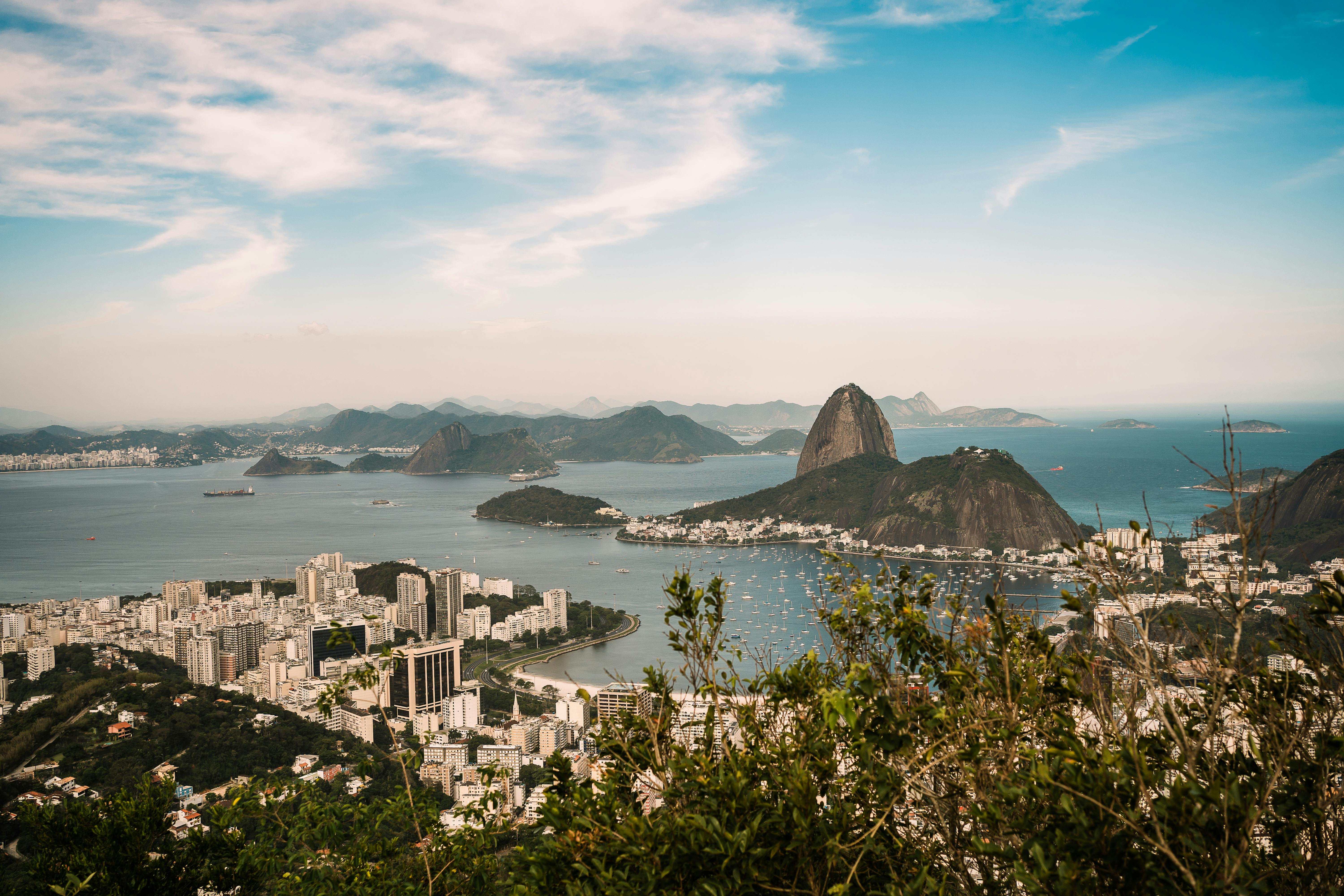
Dengue occurs across tropical and subtropical regions, especially in urban and semi-urban areas. Travellers most often need dengue risk advice for destinations in South and South East Asia, such as India, Sri Lanka, Thailand, Vietnam, Indonesia and the Philippines. It is also relevant in parts of the Caribbean, Mexico, Central America, Brazil, Colombia, Peru and other parts of South America. Risk also exists in parts of Africa, the Eastern Mediterranean and the Western Pacific. Outbreaks have been reported outside the tropics too, including parts of southern Europe, although vaccination is not usually advised for places where only sporadic local cases occur. Season, outbreak activity, length of stay and previous dengue infection all affect the advice you receive.
Dengue occurs across tropical and subtropical regions, especially in urban and semi-urban areas. Travellers most often need dengue risk advice for destinations in South and South East Asia, such as India, Sri Lanka, Thailand, Vietnam, Indonesia and the Philippines. It is also relevant in parts of the Caribbean, Mexico, Central America, Brazil, Colombia, Peru and other parts of South America. Risk also exists in parts of Africa, the Eastern Mediterranean and the Western Pacific. Outbreaks have been reported outside the tropics too, including parts of southern Europe, although vaccination is not usually advised for places where only sporadic local cases occur. Season, outbreak activity, length of stay and previous dengue infection all affect the advice you receive.
Dengue occurs across tropical and subtropical regions, especially in urban and semi-urban areas. Travellers most often need dengue risk advice for destinations in South and South East Asia, such as India, Sri Lanka, Thailand, Vietnam, Indonesia and the Philippines. It is also relevant in parts of the Caribbean, Mexico, Central America, Brazil, Colombia, Peru and other parts of South America. Risk also exists in parts of Africa, the Eastern Mediterranean and the Western Pacific. Outbreaks have been reported outside the tropics too, including parts of southern Europe, although vaccination is not usually advised for places where only sporadic local cases occur. Season, outbreak activity, length of stay and previous dengue infection all affect the advice you receive.
Bring your itinerary while there is still time
Bring your itinerary while there is still time
Bring your itinerary while there is still time
If you are heading somewhere with dengue risk and want to discuss Qdenga, book a travel health appointment with Kensington Clinics. Our prescribing pharmacists in South Kensington and Hammersmith can assess your suitability, explain the two-dose schedule and fit it around your departure. Call 020 7589 4186 or 020 7603 4761 to arrange a consultation.
If you are heading somewhere with dengue risk and want to discuss Qdenga, book a travel health appointment with Kensington Clinics. Our prescribing pharmacists in South Kensington and Hammersmith can assess your suitability, explain the two-dose schedule and fit it around your departure. Call 020 7589 4186 or 020 7603 4761 to arrange a consultation.
If you are heading somewhere with dengue risk and want to discuss Qdenga, book a travel health appointment with Kensington Clinics. Our prescribing pharmacists in South Kensington and Hammersmith can assess your suitability, explain the two-dose schedule and fit it around your departure. Call 020 7589 4186 or 020 7603 4761 to arrange a consultation.
Frequently Asked Questions
Common questions about this vaccine.
Common questions about this vaccine.
Common questions about this vaccine.
How early should I book a dengue vaccine appointment before travelling?
How early should I book a dengue vaccine appointment before travelling?
How early should I book a dengue vaccine appointment before travelling?
Book at least three months before travel if possible, because the Qdenga course is usually two doses given three months apart. If you are travelling sooner, it is still worth arranging an appointment so your dengue risk, mosquito precautions and any other travel vaccines can be reviewed.
Book at least three months before travel if possible, because the Qdenga course is usually two doses given three months apart. If you are travelling sooner, it is still worth arranging an appointment so your dengue risk, mosquito precautions and any other travel vaccines can be reviewed.
Book at least three months before travel if possible, because the Qdenga course is usually two doses given three months apart. If you are travelling sooner, it is still worth arranging an appointment so your dengue risk, mosquito precautions and any other travel vaccines can be reviewed.
Can I have the dengue vaccine if I have never had dengue before?
Can I have the dengue vaccine if I have never had dengue before?
Can I have the dengue vaccine if I have never had dengue before?
Usually, UK guidance focuses on people who have had dengue before and are travelling to a dengue-risk area. In exceptional cases, vaccination may be considered without a known previous infection, but this needs a detailed discussion about your itinerary, medical history and the potential risks and benefits.
Usually, UK guidance focuses on people who have had dengue before and are travelling to a dengue-risk area. In exceptional cases, vaccination may be considered without a known previous infection, but this needs a detailed discussion about your itinerary, medical history and the potential risks and benefits.
Usually, UK guidance focuses on people who have had dengue before and are travelling to a dengue-risk area. In exceptional cases, vaccination may be considered without a known previous infection, but this needs a detailed discussion about your itinerary, medical history and the potential risks and benefits.
Is the dengue vaccine safe for children?
Is the dengue vaccine safe for children?
Is the dengue vaccine safe for children?
Qdenga is licensed from 4 years of age, but suitability still needs individual assessment. Children with immune system problems, serious allergies to vaccine components, or other relevant medical issues may not be able to receive it. Bring any medical details to the appointment.
Qdenga is licensed from 4 years of age, but suitability still needs individual assessment. Children with immune system problems, serious allergies to vaccine components, or other relevant medical issues may not be able to receive it. Bring any medical details to the appointment.
Qdenga is licensed from 4 years of age, but suitability still needs individual assessment. Children with immune system problems, serious allergies to vaccine components, or other relevant medical issues may not be able to receive it. Bring any medical details to the appointment.
Do I need the dengue vaccine for Thailand, India or Brazil?
Do I need the dengue vaccine for Thailand, India or Brazil?
Do I need the dengue vaccine for Thailand, India or Brazil?
These countries can have dengue risk, but vaccination is not automatic for every traveller. Your previous dengue history, exact route, season, length of stay and medical background all matter. A short resort stay and a long family visit during an outbreak may lead to different advice.
These countries can have dengue risk, but vaccination is not automatic for every traveller. Your previous dengue history, exact route, season, length of stay and medical background all matter. A short resort stay and a long family visit during an outbreak may lead to different advice.
These countries can have dengue risk, but vaccination is not automatic for every traveller. Your previous dengue history, exact route, season, length of stay and medical background all matter. A short resort stay and a long family visit during an outbreak may lead to different advice.
What side effects can happen after Qdenga?
What side effects can happen after Qdenga?
What side effects can happen after Qdenga?
Common vaccine reactions can include a sore arm, headache, tiredness, muscle aches or a mild fever. Because Qdenga is a live vaccine, it is not suitable for people who are immunosuppressed, pregnant or breastfeeding. Tell the pharmacist about medical conditions, medicines and previous vaccine reactions before vaccination.
Common vaccine reactions can include a sore arm, headache, tiredness, muscle aches or a mild fever. Because Qdenga is a live vaccine, it is not suitable for people who are immunosuppressed, pregnant or breastfeeding. Tell the pharmacist about medical conditions, medicines and previous vaccine reactions before vaccination.
Common vaccine reactions can include a sore arm, headache, tiredness, muscle aches or a mild fever. Because Qdenga is a live vaccine, it is not suitable for people who are immunosuppressed, pregnant or breastfeeding. Tell the pharmacist about medical conditions, medicines and previous vaccine reactions before vaccination.