Travel Flu Vaccine in London
Travel Flu Vaccine in London
Travel Flu Vaccine in London
Annual flu vaccination for travellers, cruise passengers and business trips. Book at Kensington Clinics in South Kensington before you fly.
Annual flu vaccination for travellers, cruise passengers and business trips. Book at Kensington Clinics in South Kensington before you fly.
Annual flu vaccination for travellers, cruise passengers and business trips. Book at Kensington Clinics in South Kensington before you fly.
Travel health advice
Influenza (Flu)
Influenza (Flu)
Spread by
Respiratory droplets
Same-week appointments available for most travellers.
Same-week appointments available for most travellers.
Flu before a trip is not just bad timing
Flu before a trip is not just bad timing
Flu before a trip is not just bad timing
A flight, conference, cruise or family visit can put you close to a lot of coughing people in a short space of time. Flu vaccination will not cover every winter bug, but it can reduce your risk of influenza and serious illness. Kensington Clinics in London sees travellers who want straight advice on whether the flu jab belongs in their travel plan, especially before long-haul trips, cruises and busy business travel.
A flight, conference, cruise or family visit can put you close to a lot of coughing people in a short space of time. Flu vaccination will not cover every winter bug, but it can reduce your risk of influenza and serious illness. Kensington Clinics in London sees travellers who want straight advice on whether the flu jab belongs in their travel plan, especially before long-haul trips, cruises and busy business travel.
A flight, conference, cruise or family visit can put you close to a lot of coughing people in a short space of time. Flu vaccination will not cover every winter bug, but it can reduce your risk of influenza and serious illness. Kensington Clinics in London sees travellers who want straight advice on whether the flu jab belongs in their travel plan, especially before long-haul trips, cruises and busy business travel.
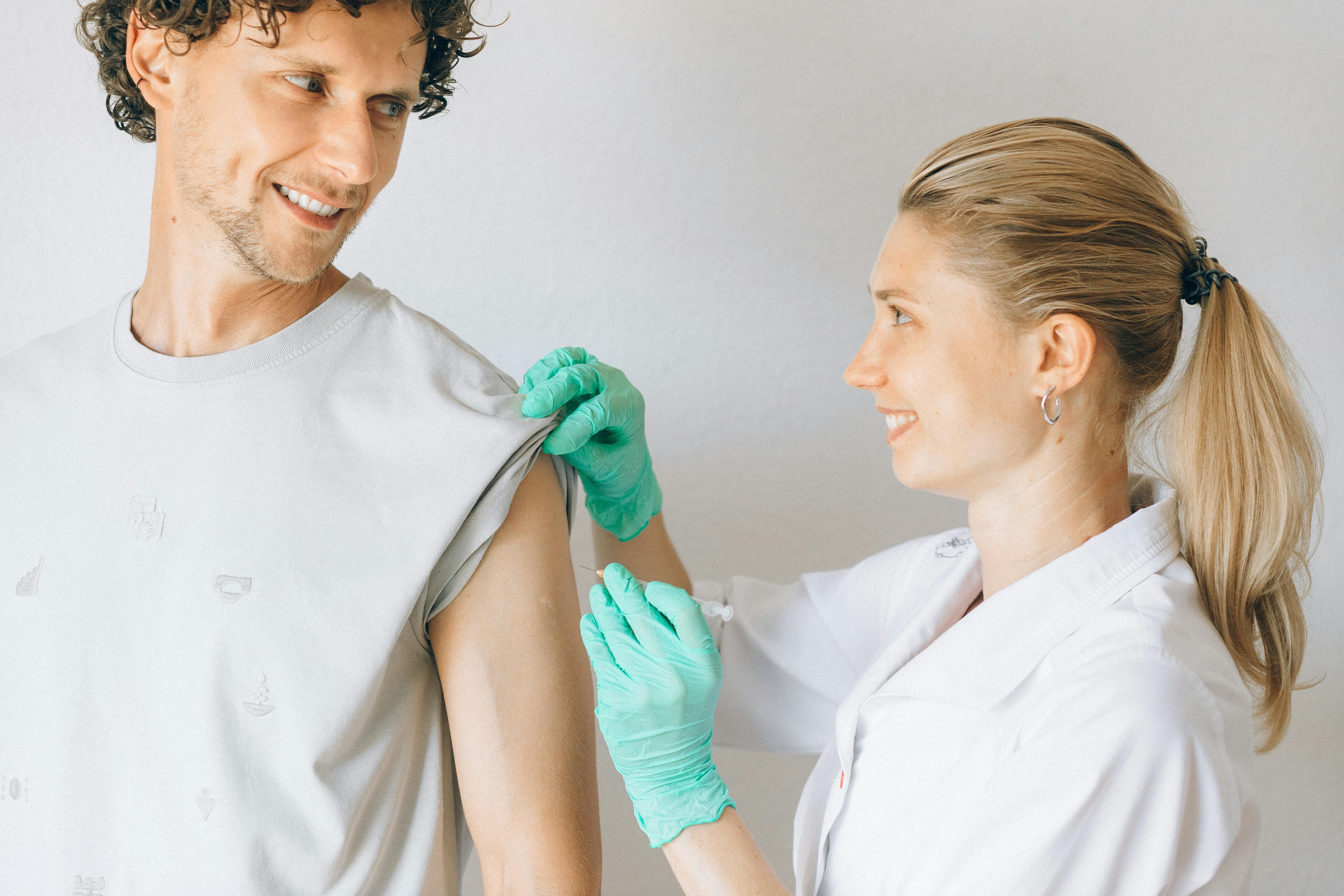
A respiratory virus that moves well through crowds
A respiratory virus that moves well through crowds
A respiratory virus that moves well through crowds
Influenza is a viral infection of the lungs and airways. It usually starts suddenly, often with fever, chills, a dry cough, headache, sore throat, muscle aches and heavy tiredness. Many healthy adults recover within a week. Some do not. Flu can trigger bronchitis or pneumonia, and it can worsen asthma, heart disease, diabetes and other long-term conditions. Older adults, pregnant women, very young children and people with weakened immune systems are more likely to become seriously unwell. For travellers, exposure often happens in ordinary places: airport queues, aircraft boarding, packed trains, cruise dining rooms, large meetings and family gatherings. People can pass flu on from around a day before symptoms appear, so avoiding only the visibly ill is a poor strategy. It is also easily confused with other respiratory infections, including COVID-19, which is not covered by the flu vaccine.
Influenza is a viral infection of the lungs and airways. It usually starts suddenly, often with fever, chills, a dry cough, headache, sore throat, muscle aches and heavy tiredness. Many healthy adults recover within a week. Some do not. Flu can trigger bronchitis or pneumonia, and it can worsen asthma, heart disease, diabetes and other long-term conditions. Older adults, pregnant women, very young children and people with weakened immune systems are more likely to become seriously unwell. For travellers, exposure often happens in ordinary places: airport queues, aircraft boarding, packed trains, cruise dining rooms, large meetings and family gatherings. People can pass flu on from around a day before symptoms appear, so avoiding only the visibly ill is a poor strategy. It is also easily confused with other respiratory infections, including COVID-19, which is not covered by the flu vaccine.
Influenza is a viral infection of the lungs and airways. It usually starts suddenly, often with fever, chills, a dry cough, headache, sore throat, muscle aches and heavy tiredness. Many healthy adults recover within a week. Some do not. Flu can trigger bronchitis or pneumonia, and it can worsen asthma, heart disease, diabetes and other long-term conditions. Older adults, pregnant women, very young children and people with weakened immune systems are more likely to become seriously unwell. For travellers, exposure often happens in ordinary places: airport queues, aircraft boarding, packed trains, cruise dining rooms, large meetings and family gatherings. People can pass flu on from around a day before symptoms appear, so avoiding only the visibly ill is a poor strategy. It is also easily confused with other respiratory infections, including COVID-19, which is not covered by the flu vaccine.
What the flu vaccine does and what it cannot do
What the flu vaccine does and what it cannot do
What the flu vaccine does and what it cannot do
Flu vaccines used in the UK are updated each year to match the influenza strains expected to circulate. Most are inactivated injections, which means they cannot give you clinical flu. Some children may receive a nasal spray vaccine in other settings; the right product depends on age, medical history and current guidance. For most adults, the schedule is one flu vaccination for the season. Protection is usually expected to develop within about 14 days, and it tends to last for several months, which is why annual vaccination matters. If you are travelling late in the season, or heading to the southern hemisphere between April and September, timing is worth discussing early because UK vaccine supplies may be limited outside the usual autumn and winter programme. Common side effects include a sore arm, redness or swelling at the injection site, tiredness, mild fever or feeling generally off-colour for a day or two. Vaccination may need to wait if you are acutely unwell with a fever, and anyone with a serious allergy to a previous flu vaccine or a vaccine component needs individual assessment.
Flu vaccines used in the UK are updated each year to match the influenza strains expected to circulate. Most are inactivated injections, which means they cannot give you clinical flu. Some children may receive a nasal spray vaccine in other settings; the right product depends on age, medical history and current guidance. For most adults, the schedule is one flu vaccination for the season. Protection is usually expected to develop within about 14 days, and it tends to last for several months, which is why annual vaccination matters. If you are travelling late in the season, or heading to the southern hemisphere between April and September, timing is worth discussing early because UK vaccine supplies may be limited outside the usual autumn and winter programme. Common side effects include a sore arm, redness or swelling at the injection site, tiredness, mild fever or feeling generally off-colour for a day or two. Vaccination may need to wait if you are acutely unwell with a fever, and anyone with a serious allergy to a previous flu vaccine or a vaccine component needs individual assessment.
Flu vaccines used in the UK are updated each year to match the influenza strains expected to circulate. Most are inactivated injections, which means they cannot give you clinical flu. Some children may receive a nasal spray vaccine in other settings; the right product depends on age, medical history and current guidance. For most adults, the schedule is one flu vaccination for the season. Protection is usually expected to develop within about 14 days, and it tends to last for several months, which is why annual vaccination matters. If you are travelling late in the season, or heading to the southern hemisphere between April and September, timing is worth discussing early because UK vaccine supplies may be limited outside the usual autumn and winter programme. Common side effects include a sore arm, redness or swelling at the injection site, tiredness, mild fever or feeling generally off-colour for a day or two. Vaccination may need to wait if you are acutely unwell with a fever, and anyone with a serious allergy to a previous flu vaccine or a vaccine component needs individual assessment.
Trips where flu vaccination is particularly sensible
Trips where flu vaccination is particularly sensible
Trips where flu vaccination is particularly sensible
Flu occurs worldwide. In the northern hemisphere, activity usually rises from October to March; in the southern hemisphere it is more often seen from April to September. In tropical countries, influenza can circulate at any time of year, which catches some travellers out. The flu jab is not a country-entry vaccine like yellow fever. It is a risk-management vaccine. It may be especially relevant for cruises, pilgrimages, ski trips, long flights, school or university travel, conferences, work placements and business trips involving repeated indoor meetings. It is also worth considering for travel to countries where you may spend time in hospitals, care settings or large family households, or if illness abroad would be particularly disruptive.
Flu occurs worldwide. In the northern hemisphere, activity usually rises from October to March; in the southern hemisphere it is more often seen from April to September. In tropical countries, influenza can circulate at any time of year, which catches some travellers out. The flu jab is not a country-entry vaccine like yellow fever. It is a risk-management vaccine. It may be especially relevant for cruises, pilgrimages, ski trips, long flights, school or university travel, conferences, work placements and business trips involving repeated indoor meetings. It is also worth considering for travel to countries where you may spend time in hospitals, care settings or large family households, or if illness abroad would be particularly disruptive.
Flu occurs worldwide. In the northern hemisphere, activity usually rises from October to March; in the southern hemisphere it is more often seen from April to September. In tropical countries, influenza can circulate at any time of year, which catches some travellers out. The flu jab is not a country-entry vaccine like yellow fever. It is a risk-management vaccine. It may be especially relevant for cruises, pilgrimages, ski trips, long flights, school or university travel, conferences, work placements and business trips involving repeated indoor meetings. It is also worth considering for travel to countries where you may spend time in hospitals, care settings or large family households, or if illness abroad would be particularly disruptive.
Plan it around the season, not the suitcase
Plan it around the season, not the suitcase
Plan it around the season, not the suitcase
If you would like a flu vaccination before travel, a cruise or the winter season, booking ahead keeps it simple. Kensington Clinics offers appointments in South Kensington and Hammersmith. Call 020 7589 4186 or 020 7603 4761 to book before airports, meetings or winter travel.
If you would like a flu vaccination before travel, a cruise or the winter season, booking ahead keeps it simple. Kensington Clinics offers appointments in South Kensington and Hammersmith. Call 020 7589 4186 or 020 7603 4761 to book before airports, meetings or winter travel.
If you would like a flu vaccination before travel, a cruise or the winter season, booking ahead keeps it simple. Kensington Clinics offers appointments in South Kensington and Hammersmith. Call 020 7589 4186 or 020 7603 4761 to book before airports, meetings or winter travel.
Frequently Asked Questions
Common questions about this vaccine.
Common questions about this vaccine.
Common questions about this vaccine.
How long before travel should I get the flu vaccine?
How long before travel should I get the flu vaccine?
How long before travel should I get the flu vaccine?
Aim to have it at least 2 weeks before you leave, because your immune response takes time to build. If you are travelling sooner, it may still be worth having, but do not expect full protection the next day.
Aim to have it at least 2 weeks before you leave, because your immune response takes time to build. If you are travelling sooner, it may still be worth having, but do not expect full protection the next day.
Aim to have it at least 2 weeks before you leave, because your immune response takes time to build. If you are travelling sooner, it may still be worth having, but do not expect full protection the next day.
Do healthy travellers need a flu jab for every trip?
Do healthy travellers need a flu jab for every trip?
Do healthy travellers need a flu jab for every trip?
Not always. In the UK, flu vaccination is mainly targeted at people at higher risk of serious illness, but travel can raise exposure through airports, aircraft, cruises and mass gatherings. A pharmacist can weigh up your itinerary, timing and medical history with you.
Not always. In the UK, flu vaccination is mainly targeted at people at higher risk of serious illness, but travel can raise exposure through airports, aircraft, cruises and mass gatherings. A pharmacist can weigh up your itinerary, timing and medical history with you.
Not always. In the UK, flu vaccination is mainly targeted at people at higher risk of serious illness, but travel can raise exposure through airports, aircraft, cruises and mass gatherings. A pharmacist can weigh up your itinerary, timing and medical history with you.
Is the flu vaccine suitable if I am pregnant or have a long-term condition?
Is the flu vaccine suitable if I am pregnant or have a long-term condition?
Is the flu vaccine suitable if I am pregnant or have a long-term condition?
Pregnant women and people with certain long-term conditions are among the groups most likely to benefit from flu vaccination. The exact choice of vaccine and timing should be checked against your medical history, medicines and any previous vaccine reactions.
Pregnant women and people with certain long-term conditions are among the groups most likely to benefit from flu vaccination. The exact choice of vaccine and timing should be checked against your medical history, medicines and any previous vaccine reactions.
Pregnant women and people with certain long-term conditions are among the groups most likely to benefit from flu vaccination. The exact choice of vaccine and timing should be checked against your medical history, medicines and any previous vaccine reactions.
Can I get the flu vaccine for travel to Australia, South Africa or South America?
Can I get the flu vaccine for travel to Australia, South Africa or South America?
Can I get the flu vaccine for travel to Australia, South Africa or South America?
Yes, but timing matters. Southern hemisphere flu activity often peaks during the UK spring and summer months, when UK flu vaccine supply can be more limited. Book early if you are travelling between April and September.
Yes, but timing matters. Southern hemisphere flu activity often peaks during the UK spring and summer months, when UK flu vaccine supply can be more limited. Book early if you are travelling between April and September.
Yes, but timing matters. Southern hemisphere flu activity often peaks during the UK spring and summer months, when UK flu vaccine supply can be more limited. Book early if you are travelling between April and September.
Can I have the flu jab at the same appointment as other travel vaccines?
Can I have the flu jab at the same appointment as other travel vaccines?
Can I have the flu jab at the same appointment as other travel vaccines?
Often, yes. Many travel vaccines can be given during the same visit, though the decision depends on which vaccines you need and your clinical background. Bring your itinerary and any vaccine records so the appointment can be planned properly.
Often, yes. Many travel vaccines can be given during the same visit, though the decision depends on which vaccines you need and your clinical background. Bring your itinerary and any vaccine records so the appointment can be planned properly.
Often, yes. Many travel vaccines can be given during the same visit, though the decision depends on which vaccines you need and your clinical background. Bring your itinerary and any vaccine records so the appointment can be planned properly.