Vaccines Required for Visas & Travel Entry
Vaccines Required for Visas & Travel Entry
Vaccines Required for Visas & Travel Entry
Some countries require proof of vaccination for a visa or entry — Yellow Fever, Polio, Meningitis ACWY and Hepatitis B. Get certificates and advice in South Kensington.
Some countries require proof of vaccination for a visa or entry — Yellow Fever, Polio, Meningitis ACWY and Hepatitis B. Get certificates and advice in South Kensington.
Some countries require proof of vaccination for a visa or entry — Yellow Fever, Polio, Meningitis ACWY and Hepatitis B. Get certificates and advice in South Kensington.
Travel health advice
Visa & Entry Vaccines
Visa & Entry Vaccines
Spread by
Visa Regulations
Same-week appointments available for most travellers.
Same-week appointments available for most travellers.
When a vaccine isn’t a recommendation, but a requirement
When a vaccine isn’t a recommendation, but a requirement
When a vaccine isn’t a recommendation, but a requirement
Most travel vaccines are about protecting your health. A handful are different: without proof of vaccination, you may be refused a visa, denied boarding, or turned back at the border. These requirements are set by governments and international health regulations, not by your own risk, and they apply regardless of how healthy you are or how short your trip is. This page explains the four vaccines most often tied to visas and entry rules — Yellow Fever, Polio, Meningitis ACWY and Hepatitis B — and the situations where each may be required. It’s an overview rather than a substitute for checking the official entry requirements for your specific destination and nationality, which is something we’ll do with you at your appointment. Requirements change, so confirm yours before you travel. At Kensington Clinics, our prescriber-led team can advise on what you need, administer the vaccine, and provide the documentation where applicable, at our South Kensington and Hammersmith pharmacies.
Most travel vaccines are about protecting your health. A handful are different: without proof of vaccination, you may be refused a visa, denied boarding, or turned back at the border. These requirements are set by governments and international health regulations, not by your own risk, and they apply regardless of how healthy you are or how short your trip is. This page explains the four vaccines most often tied to visas and entry rules — Yellow Fever, Polio, Meningitis ACWY and Hepatitis B — and the situations where each may be required. It’s an overview rather than a substitute for checking the official entry requirements for your specific destination and nationality, which is something we’ll do with you at your appointment. Requirements change, so confirm yours before you travel. At Kensington Clinics, our prescriber-led team can advise on what you need, administer the vaccine, and provide the documentation where applicable, at our South Kensington and Hammersmith pharmacies.
Most travel vaccines are about protecting your health. A handful are different: without proof of vaccination, you may be refused a visa, denied boarding, or turned back at the border. These requirements are set by governments and international health regulations, not by your own risk, and they apply regardless of how healthy you are or how short your trip is. This page explains the four vaccines most often tied to visas and entry rules — Yellow Fever, Polio, Meningitis ACWY and Hepatitis B — and the situations where each may be required. It’s an overview rather than a substitute for checking the official entry requirements for your specific destination and nationality, which is something we’ll do with you at your appointment. Requirements change, so confirm yours before you travel. At Kensington Clinics, our prescriber-led team can advise on what you need, administer the vaccine, and provide the documentation where applicable, at our South Kensington and Hammersmith pharmacies.
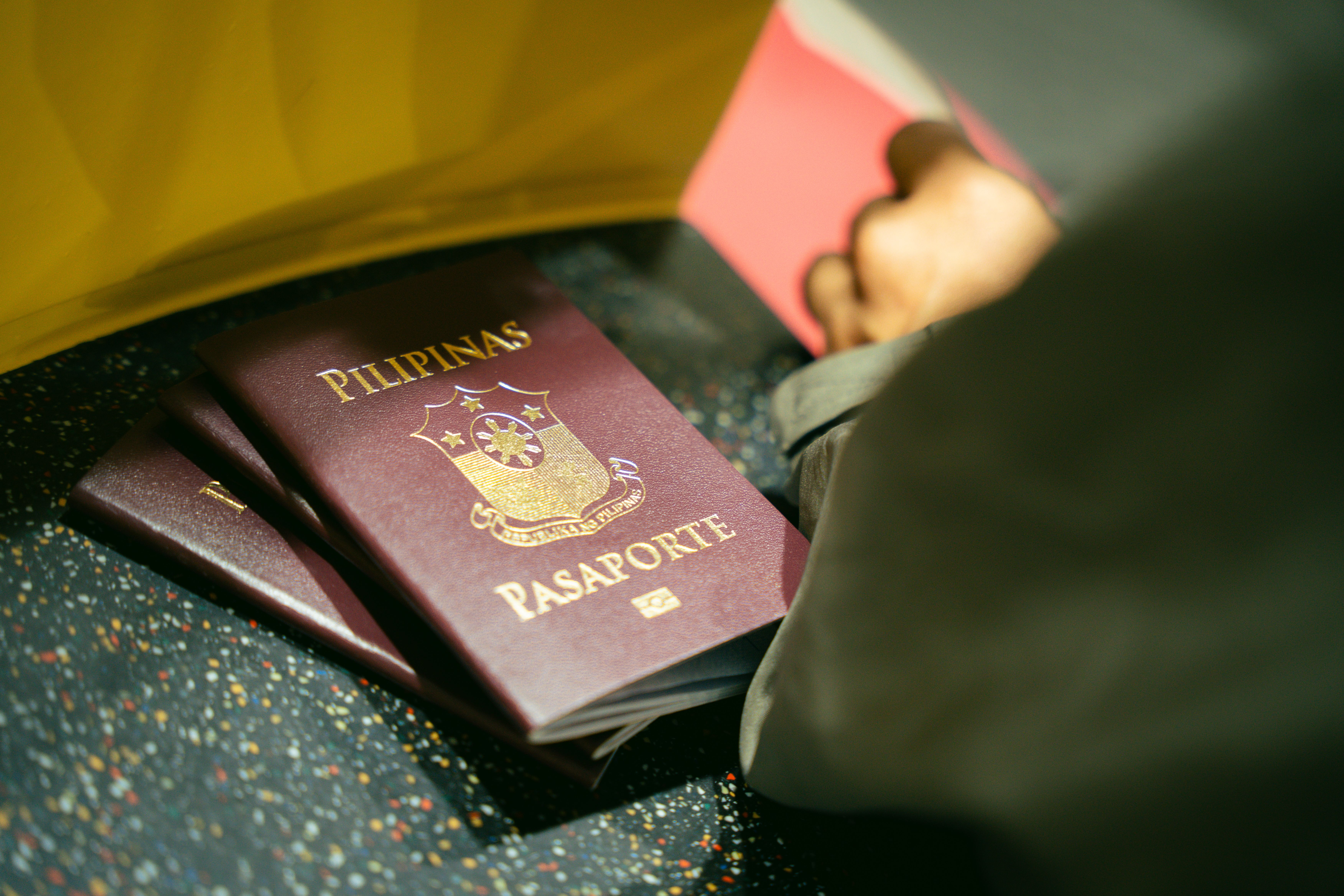
Yellow Fever — the classic certificate vaccine
Yellow Fever — the classic certificate vaccine
Yellow Fever — the classic certificate vaccine
Yellow Fever is the vaccine most associated with entry requirements, because it comes with an official International Certificate of Vaccination or Prophylaxis (ICVP) — the “yellow card” — that becomes valid 10 days after vaccination and now lasts for life. Where it may be required: • Many countries in sub-Saharan Africa and parts of South America require a Yellow Fever certificate for entry, either from all travellers or specifically from those arriving from a country with Yellow Fever risk. • The requirement frequently catches people on multi-country trips. For example, a traveller flying from Kenya to Tanzania, or to South Africa, may need a certificate that wouldn’t be required on a direct trip from the UK. • Transiting for more than 12 hours through an airport in a risk country can also trigger the requirement at your next destination. Yellow Fever vaccine isn’t suitable for everyone, and it can only be given at a registered Yellow Fever vaccination centre. Where the vaccine isn’t medically appropriate, a certificate of medical exemption may be considered. Because the certificate has a 10-day activation period, this is one to sort well ahead of travel.
Yellow Fever is the vaccine most associated with entry requirements, because it comes with an official International Certificate of Vaccination or Prophylaxis (ICVP) — the “yellow card” — that becomes valid 10 days after vaccination and now lasts for life. Where it may be required: • Many countries in sub-Saharan Africa and parts of South America require a Yellow Fever certificate for entry, either from all travellers or specifically from those arriving from a country with Yellow Fever risk. • The requirement frequently catches people on multi-country trips. For example, a traveller flying from Kenya to Tanzania, or to South Africa, may need a certificate that wouldn’t be required on a direct trip from the UK. • Transiting for more than 12 hours through an airport in a risk country can also trigger the requirement at your next destination. Yellow Fever vaccine isn’t suitable for everyone, and it can only be given at a registered Yellow Fever vaccination centre. Where the vaccine isn’t medically appropriate, a certificate of medical exemption may be considered. Because the certificate has a 10-day activation period, this is one to sort well ahead of travel.
Yellow Fever is the vaccine most associated with entry requirements, because it comes with an official International Certificate of Vaccination or Prophylaxis (ICVP) — the “yellow card” — that becomes valid 10 days after vaccination and now lasts for life. Where it may be required: • Many countries in sub-Saharan Africa and parts of South America require a Yellow Fever certificate for entry, either from all travellers or specifically from those arriving from a country with Yellow Fever risk. • The requirement frequently catches people on multi-country trips. For example, a traveller flying from Kenya to Tanzania, or to South Africa, may need a certificate that wouldn’t be required on a direct trip from the UK. • Transiting for more than 12 hours through an airport in a risk country can also trigger the requirement at your next destination. Yellow Fever vaccine isn’t suitable for everyone, and it can only be given at a registered Yellow Fever vaccination centre. Where the vaccine isn’t medically appropriate, a certificate of medical exemption may be considered. Because the certificate has a 10-day activation period, this is one to sort well ahead of travel.
Polio — increasingly tied to visas and exit rules
Polio — increasingly tied to visas and exit rules
Polio — increasingly tied to visas and exit rules
Polio has become more relevant to travel paperwork in recent years, under temporary recommendations issued through the International Health Regulations to stop the international spread of the virus. The requirement usually concerns a recent dose of polio vaccine (often as a combined diphtheria/tetanus/polio booster) recorded on an official certificate. Where it may be required: • Several countries ask travellers arriving from polio-affected countries to show proof of polio vaccination, sometimes as a condition of the visa application itself. • Some affected countries require proof of polio vaccination to leave — travellers staying four weeks or more may need a documented dose, given between four weeks and 12 months before departure, to exit. This applies to trips to countries such as Pakistan and Afghanistan, among others. • Polio proof is also part of the Hajj and Umrah requirements for pilgrims arriving from countries where poliovirus has been reported. Because the rules distinguish between entry, exit and length of stay, and change with the global situation, polio is worth checking carefully against both your destination and your length of stay.
Polio has become more relevant to travel paperwork in recent years, under temporary recommendations issued through the International Health Regulations to stop the international spread of the virus. The requirement usually concerns a recent dose of polio vaccine (often as a combined diphtheria/tetanus/polio booster) recorded on an official certificate. Where it may be required: • Several countries ask travellers arriving from polio-affected countries to show proof of polio vaccination, sometimes as a condition of the visa application itself. • Some affected countries require proof of polio vaccination to leave — travellers staying four weeks or more may need a documented dose, given between four weeks and 12 months before departure, to exit. This applies to trips to countries such as Pakistan and Afghanistan, among others. • Polio proof is also part of the Hajj and Umrah requirements for pilgrims arriving from countries where poliovirus has been reported. Because the rules distinguish between entry, exit and length of stay, and change with the global situation, polio is worth checking carefully against both your destination and your length of stay.
Polio has become more relevant to travel paperwork in recent years, under temporary recommendations issued through the International Health Regulations to stop the international spread of the virus. The requirement usually concerns a recent dose of polio vaccine (often as a combined diphtheria/tetanus/polio booster) recorded on an official certificate. Where it may be required: • Several countries ask travellers arriving from polio-affected countries to show proof of polio vaccination, sometimes as a condition of the visa application itself. • Some affected countries require proof of polio vaccination to leave — travellers staying four weeks or more may need a documented dose, given between four weeks and 12 months before departure, to exit. This applies to trips to countries such as Pakistan and Afghanistan, among others. • Polio proof is also part of the Hajj and Umrah requirements for pilgrims arriving from countries where poliovirus has been reported. Because the rules distinguish between entry, exit and length of stay, and change with the global situation, polio is worth checking carefully against both your destination and your length of stay.
Meningitis ACWY — mandatory for Hajj and Umrah
Meningitis ACWY — mandatory for Hajj and Umrah
Meningitis ACWY — mandatory for Hajj and Umrah
The quadrivalent meningococcal ACWY vaccine protects against four strains (A, C, W and Y) of the bacteria that cause meningococcal disease. Its best-known entry requirement is for pilgrimage to Saudi Arabia, where mass gatherings have historically been linked to meningococcal outbreaks. Where it may be required: • Saudi Arabia requires all travellers aged one year and over arriving for Hajj or Umrah to show proof of a valid quadrivalent ACWY vaccination. The certificate must show the vaccine was given at least 10 days before arrival. • The validity period depends on the vaccine type: a conjugate ACWY vaccine is generally accepted for five years, while a polysaccharide vaccine (or a certificate that doesn’t specify the type) is accepted for three years. It’s important the certificate clearly states the vaccine name. • A Hajj visa cannot be obtained without proof of this vaccination, and the requirement also applies to seasonal workers in the Hajj areas. Beyond pilgrimage, ACWY is also recommended for some travellers heading to the “meningitis belt” of sub-Saharan Africa, particularly during the dry season, and for students and longer-stay travellers — though those are health recommendations rather than visa rules.
The quadrivalent meningococcal ACWY vaccine protects against four strains (A, C, W and Y) of the bacteria that cause meningococcal disease. Its best-known entry requirement is for pilgrimage to Saudi Arabia, where mass gatherings have historically been linked to meningococcal outbreaks. Where it may be required: • Saudi Arabia requires all travellers aged one year and over arriving for Hajj or Umrah to show proof of a valid quadrivalent ACWY vaccination. The certificate must show the vaccine was given at least 10 days before arrival. • The validity period depends on the vaccine type: a conjugate ACWY vaccine is generally accepted for five years, while a polysaccharide vaccine (or a certificate that doesn’t specify the type) is accepted for three years. It’s important the certificate clearly states the vaccine name. • A Hajj visa cannot be obtained without proof of this vaccination, and the requirement also applies to seasonal workers in the Hajj areas. Beyond pilgrimage, ACWY is also recommended for some travellers heading to the “meningitis belt” of sub-Saharan Africa, particularly during the dry season, and for students and longer-stay travellers — though those are health recommendations rather than visa rules.
The quadrivalent meningococcal ACWY vaccine protects against four strains (A, C, W and Y) of the bacteria that cause meningococcal disease. Its best-known entry requirement is for pilgrimage to Saudi Arabia, where mass gatherings have historically been linked to meningococcal outbreaks. Where it may be required: • Saudi Arabia requires all travellers aged one year and over arriving for Hajj or Umrah to show proof of a valid quadrivalent ACWY vaccination. The certificate must show the vaccine was given at least 10 days before arrival. • The validity period depends on the vaccine type: a conjugate ACWY vaccine is generally accepted for five years, while a polysaccharide vaccine (or a certificate that doesn’t specify the type) is accepted for three years. It’s important the certificate clearly states the vaccine name. • A Hajj visa cannot be obtained without proof of this vaccination, and the requirement also applies to seasonal workers in the Hajj areas. Beyond pilgrimage, ACWY is also recommended for some travellers heading to the “meningitis belt” of sub-Saharan Africa, particularly during the dry season, and for students and longer-stay travellers — though those are health recommendations rather than visa rules.
Hepatitis B — sometimes required for study, work or residency
Hepatitis B — sometimes required for study, work or residency
Hepatitis B — sometimes required for study, work or residency
Hepatitis B isn’t a classic border-control vaccine like Yellow Fever, but it increasingly appears in the requirements for longer-term visas — particularly those involving study, healthcare work, or residency, where applicants may need to show immunity as part of a medical examination. Where it may be required: • Some countries require proof of Hepatitis B vaccination or immunity for student visas. For example, students enrolling at a school, college or university in the United States are commonly required by the institution to show Hepatitis B vaccination as a condition of enrolment. • Healthcare workers, and others whose roles involve potential exposure to blood or body fluids, are frequently required to demonstrate Hepatitis B immunity for work visas or employment abroad. • Longer-term residency and some immigration medicals may include Hepatitis B among the required or checked vaccinations. Hepatitis B is given as a course rather than a single dose, and immunity can be confirmed with a blood test where proof is needed. Because the standard course takes time, and even accelerated schedules need planning, this is one to start early if it’s tied to a visa, course start date or job.
Hepatitis B isn’t a classic border-control vaccine like Yellow Fever, but it increasingly appears in the requirements for longer-term visas — particularly those involving study, healthcare work, or residency, where applicants may need to show immunity as part of a medical examination. Where it may be required: • Some countries require proof of Hepatitis B vaccination or immunity for student visas. For example, students enrolling at a school, college or university in the United States are commonly required by the institution to show Hepatitis B vaccination as a condition of enrolment. • Healthcare workers, and others whose roles involve potential exposure to blood or body fluids, are frequently required to demonstrate Hepatitis B immunity for work visas or employment abroad. • Longer-term residency and some immigration medicals may include Hepatitis B among the required or checked vaccinations. Hepatitis B is given as a course rather than a single dose, and immunity can be confirmed with a blood test where proof is needed. Because the standard course takes time, and even accelerated schedules need planning, this is one to start early if it’s tied to a visa, course start date or job.
Hepatitis B isn’t a classic border-control vaccine like Yellow Fever, but it increasingly appears in the requirements for longer-term visas — particularly those involving study, healthcare work, or residency, where applicants may need to show immunity as part of a medical examination. Where it may be required: • Some countries require proof of Hepatitis B vaccination or immunity for student visas. For example, students enrolling at a school, college or university in the United States are commonly required by the institution to show Hepatitis B vaccination as a condition of enrolment. • Healthcare workers, and others whose roles involve potential exposure to blood or body fluids, are frequently required to demonstrate Hepatitis B immunity for work visas or employment abroad. • Longer-term residency and some immigration medicals may include Hepatitis B among the required or checked vaccinations. Hepatitis B is given as a course rather than a single dose, and immunity can be confirmed with a blood test where proof is needed. Because the standard course takes time, and even accelerated schedules need planning, this is one to start early if it’s tied to a visa, course start date or job.
Frequently Asked Questions
Common questions about this vaccine.
Common questions about this vaccine.
Common questions about this vaccine.
How do I know which vaccines my visa or destination requires?
How do I know which vaccines my visa or destination requires?
How do I know which vaccines my visa or destination requires?
Requirements depend on your destination, your nationality, your length of stay, and the countries you’re travelling through — and they change over time. Always check the official entry requirements for your specific trip, and bring the details to your appointment. We’ll review what’s required and what’s recommended, and explain the difference clearly.
Requirements depend on your destination, your nationality, your length of stay, and the countries you’re travelling through — and they change over time. Always check the official entry requirements for your specific trip, and bring the details to your appointment. We’ll review what’s required and what’s recommended, and explain the difference clearly.
Requirements depend on your destination, your nationality, your length of stay, and the countries you’re travelling through — and they change over time. Always check the official entry requirements for your specific trip, and bring the details to your appointment. We’ll review what’s required and what’s recommended, and explain the difference clearly.
What’s the difference between a required and a recommended vaccine?
What’s the difference between a required and a recommended vaccine?
What’s the difference between a required and a recommended vaccine?
A required vaccine is a condition of entry, a visa, or exit — without proof, you may be refused. A recommended vaccine is advised to protect your health, but isn’t enforced at a border. Some vaccines, like Yellow Fever, can be both, depending on your route. We’ll help you distinguish the two for your trip.
A required vaccine is a condition of entry, a visa, or exit — without proof, you may be refused. A recommended vaccine is advised to protect your health, but isn’t enforced at a border. Some vaccines, like Yellow Fever, can be both, depending on your route. We’ll help you distinguish the two for your trip.
A required vaccine is a condition of entry, a visa, or exit — without proof, you may be refused. A recommended vaccine is advised to protect your health, but isn’t enforced at a border. Some vaccines, like Yellow Fever, can be both, depending on your route. We’ll help you distinguish the two for your trip.
Do you provide the official certificates?
Do you provide the official certificates?
Do you provide the official certificates?
For most vaccines we can provide documentation of what you’ve received. Yellow Fever requires an official International Certificate of Vaccination or Prophylaxis (the “yellow card”), which can only be issued by a registered Yellow Fever vaccination centre. Tell us your route and we’ll confirm what documentation you’ll need and how to obtain it.
For most vaccines we can provide documentation of what you’ve received. Yellow Fever requires an official International Certificate of Vaccination or Prophylaxis (the “yellow card”), which can only be issued by a registered Yellow Fever vaccination centre. Tell us your route and we’ll confirm what documentation you’ll need and how to obtain it.
For most vaccines we can provide documentation of what you’ve received. Yellow Fever requires an official International Certificate of Vaccination or Prophylaxis (the “yellow card”), which can only be issued by a registered Yellow Fever vaccination centre. Tell us your route and we’ll confirm what documentation you’ll need and how to obtain it.
How far in advance should I get a visa-required vaccine?
How far in advance should I get a visa-required vaccine?
How far in advance should I get a visa-required vaccine?
As early as you can, ideally four to six weeks before travel, and earlier for anything involving a course or a certificate activation period. Yellow Fever certificates only become valid 10 days after vaccination, Hepatitis B is given as a course, and polio exit rules often require a dose at least four weeks before departure. Last-minute is still worth checking, but early is far safer.
As early as you can, ideally four to six weeks before travel, and earlier for anything involving a course or a certificate activation period. Yellow Fever certificates only become valid 10 days after vaccination, Hepatitis B is given as a course, and polio exit rules often require a dose at least four weeks before departure. Last-minute is still worth checking, but early is far safer.
As early as you can, ideally four to six weeks before travel, and earlier for anything involving a course or a certificate activation period. Yellow Fever certificates only become valid 10 days after vaccination, Hepatitis B is given as a course, and polio exit rules often require a dose at least four weeks before departure. Last-minute is still worth checking, but early is far safer.
I’m going for Hajj or Umrah — what do I need?
I’m going for Hajj or Umrah — what do I need?
I’m going for Hajj or Umrah — what do I need?
Proof of a valid quadrivalent meningitis ACWY vaccine is mandatory for all pilgrims aged one and over, given at least 10 days before arrival. Depending on the country you’re travelling from, polio and Yellow Fever proof may also be required, and other vaccines are recommended for the crowded conditions. Book early so your certificates are valid in time.
Proof of a valid quadrivalent meningitis ACWY vaccine is mandatory for all pilgrims aged one and over, given at least 10 days before arrival. Depending on the country you’re travelling from, polio and Yellow Fever proof may also be required, and other vaccines are recommended for the crowded conditions. Book early so your certificates are valid in time.
Proof of a valid quadrivalent meningitis ACWY vaccine is mandatory for all pilgrims aged one and over, given at least 10 days before arrival. Depending on the country you’re travelling from, polio and Yellow Fever proof may also be required, and other vaccines are recommended for the crowded conditions. Book early so your certificates are valid in time.