Yellow Fever Vaccine in London
Yellow Fever Vaccine in London
Yellow Fever Vaccine in London
Planning travel to Africa or South America? Check yellow fever vaccine timing, certificate rules and suitability at Kensington Clinics in South Kensington.
Planning travel to Africa or South America? Check yellow fever vaccine timing, certificate rules and suitability at Kensington Clinics in South Kensington.
Planning travel to Africa or South America? Check yellow fever vaccine timing, certificate rules and suitability at Kensington Clinics in South Kensington.
Travel health advice
Yellow Fever
Yellow Fever
Spread by
Mosquitoes
Same-week appointments available for most travellers.
Same-week appointments available for most travellers.
Planning travel where yellow fever still circulates
Planning travel where yellow fever still circulates
Planning travel where yellow fever still circulates
For a trip to parts of Africa, South America or the Caribbean, yellow fever vaccination may be a medical recommendation, an entry requirement, or both. Those are not the same thing. At Kensington Clinics in London, we assess your itinerary, dates, age, health history and certificate requirements before vaccinating. This page explains what yellow fever is, when the vaccine is usually considered, and why booking early matters if your journey involves a country that checks yellow fever certificates at the border.
For a trip to parts of Africa, South America or the Caribbean, yellow fever vaccination may be a medical recommendation, an entry requirement, or both. Those are not the same thing. At Kensington Clinics in London, we assess your itinerary, dates, age, health history and certificate requirements before vaccinating. This page explains what yellow fever is, when the vaccine is usually considered, and why booking early matters if your journey involves a country that checks yellow fever certificates at the border.
For a trip to parts of Africa, South America or the Caribbean, yellow fever vaccination may be a medical recommendation, an entry requirement, or both. Those are not the same thing. At Kensington Clinics in London, we assess your itinerary, dates, age, health history and certificate requirements before vaccinating. This page explains what yellow fever is, when the vaccine is usually considered, and why booking early matters if your journey involves a country that checks yellow fever certificates at the border.
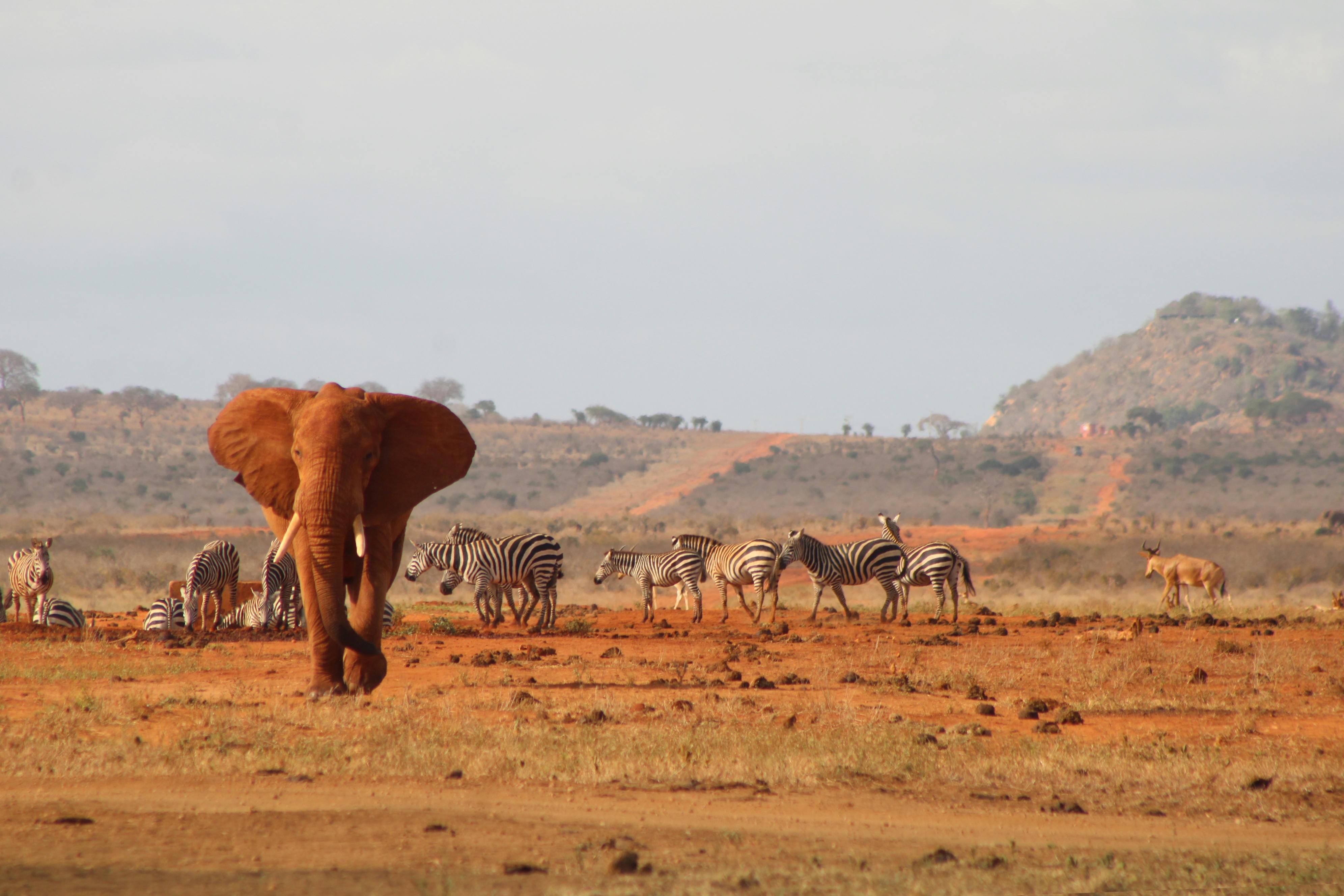
A mosquito-borne virus that can become severe quickly
A mosquito-borne virus that can become severe quickly
A mosquito-borne virus that can become severe quickly
Yellow fever is a viral infection spread by infected mosquitoes. It circulates between mosquitoes, monkeys and humans in tropical and subtropical areas, mainly in parts of Africa and South America. The mosquitoes involved may bite during daylight hours, so this is not only an evening or overnight problem. Many infections start like a rough viral illness: fever, headache, muscle aches, nausea and loss of appetite. Some people recover after a few days. A smaller group then becomes seriously unwell, sometimes after seeming to improve. Severe yellow fever can cause jaundice, bleeding, kidney damage, liver injury and shock. In those who develop severe disease, the death rate is high. For travellers, the problem is practical. You may be visiting a game reserve in Kenya, working near forested areas in Brazil, staying with family in Ghana, or transiting through a country that asks for proof of vaccination. The risk is not identical across each country, and certificate rules can be separate from the actual risk of infection.
Yellow fever is a viral infection spread by infected mosquitoes. It circulates between mosquitoes, monkeys and humans in tropical and subtropical areas, mainly in parts of Africa and South America. The mosquitoes involved may bite during daylight hours, so this is not only an evening or overnight problem. Many infections start like a rough viral illness: fever, headache, muscle aches, nausea and loss of appetite. Some people recover after a few days. A smaller group then becomes seriously unwell, sometimes after seeming to improve. Severe yellow fever can cause jaundice, bleeding, kidney damage, liver injury and shock. In those who develop severe disease, the death rate is high. For travellers, the problem is practical. You may be visiting a game reserve in Kenya, working near forested areas in Brazil, staying with family in Ghana, or transiting through a country that asks for proof of vaccination. The risk is not identical across each country, and certificate rules can be separate from the actual risk of infection.
Yellow fever is a viral infection spread by infected mosquitoes. It circulates between mosquitoes, monkeys and humans in tropical and subtropical areas, mainly in parts of Africa and South America. The mosquitoes involved may bite during daylight hours, so this is not only an evening or overnight problem. Many infections start like a rough viral illness: fever, headache, muscle aches, nausea and loss of appetite. Some people recover after a few days. A smaller group then becomes seriously unwell, sometimes after seeming to improve. Severe yellow fever can cause jaundice, bleeding, kidney damage, liver injury and shock. In those who develop severe disease, the death rate is high. For travellers, the problem is practical. You may be visiting a game reserve in Kenya, working near forested areas in Brazil, staying with family in Ghana, or transiting through a country that asks for proof of vaccination. The risk is not identical across each country, and certificate rules can be separate from the actual risk of infection.
One dose, careful screening, and a certificate when appropriate
One dose, careful screening, and a certificate when appropriate
One dose, careful screening, and a certificate when appropriate
The yellow fever vaccine used in the UK is a live, weakened vaccine. It is given as a single injection and is designed to protect against all strains of yellow fever virus. After vaccination, you may receive an International Certificate of Vaccination or Prophylaxis (ICVP), sometimes called the yellow fever certificate, if it is needed for your route. Plan to have the vaccine at least 10 days before you need protection or before a certificate must be valid. A single dose usually gives long-lasting protection, and yellow fever certificates are valid for life under International Health Regulations. A booster is not routinely required for most travellers, although a further dose may be considered for a small number of people who remain at ongoing risk. Suitability needs a proper check. The vaccine is generally used from 9 months of age, while babies under 6 months must not receive it. Extra care is needed for people aged 60 or over, during pregnancy or breastfeeding, with immune system problems, significant egg allergy, thymus disorders, or certain medicines that suppress immunity. Common side effects include headache, muscle aches and a mild fever in the days after vaccination. Serious reactions are rare, but they are the reason the screening questions matter.
The yellow fever vaccine used in the UK is a live, weakened vaccine. It is given as a single injection and is designed to protect against all strains of yellow fever virus. After vaccination, you may receive an International Certificate of Vaccination or Prophylaxis (ICVP), sometimes called the yellow fever certificate, if it is needed for your route. Plan to have the vaccine at least 10 days before you need protection or before a certificate must be valid. A single dose usually gives long-lasting protection, and yellow fever certificates are valid for life under International Health Regulations. A booster is not routinely required for most travellers, although a further dose may be considered for a small number of people who remain at ongoing risk. Suitability needs a proper check. The vaccine is generally used from 9 months of age, while babies under 6 months must not receive it. Extra care is needed for people aged 60 or over, during pregnancy or breastfeeding, with immune system problems, significant egg allergy, thymus disorders, or certain medicines that suppress immunity. Common side effects include headache, muscle aches and a mild fever in the days after vaccination. Serious reactions are rare, but they are the reason the screening questions matter.
The yellow fever vaccine used in the UK is a live, weakened vaccine. It is given as a single injection and is designed to protect against all strains of yellow fever virus. After vaccination, you may receive an International Certificate of Vaccination or Prophylaxis (ICVP), sometimes called the yellow fever certificate, if it is needed for your route. Plan to have the vaccine at least 10 days before you need protection or before a certificate must be valid. A single dose usually gives long-lasting protection, and yellow fever certificates are valid for life under International Health Regulations. A booster is not routinely required for most travellers, although a further dose may be considered for a small number of people who remain at ongoing risk. Suitability needs a proper check. The vaccine is generally used from 9 months of age, while babies under 6 months must not receive it. Extra care is needed for people aged 60 or over, during pregnancy or breastfeeding, with immune system problems, significant egg allergy, thymus disorders, or certain medicines that suppress immunity. Common side effects include headache, muscle aches and a mild fever in the days after vaccination. Serious reactions are rare, but they are the reason the screening questions matter.
Countries where the route deserves a closer look
Countries where the route deserves a closer look
Countries where the route deserves a closer look
Yellow fever risk occurs in parts of tropical Africa and South and Central America, plus Trinidad. In Africa, vaccination is commonly considered for countries such as Ghana, Nigeria, Angola, Cameroon, Côte d’Ivoire, Democratic Republic of the Congo, Uganda and parts of Kenya, Ethiopia, Senegal and Sudan. In the Americas, risk may apply in parts of Brazil, Peru, Colombia, Bolivia, Ecuador, French Guiana, Guyana, Suriname, Venezuela and Panama. Some countries require proof of yellow fever vaccination from all travellers. Others only ask for it if you arrive from, or transit through, a country with yellow fever risk. There are also places where the vaccine may be recommended for personal protection even when no certificate is demanded at the airport. Check the exact itinerary, including stopovers.
Yellow fever risk occurs in parts of tropical Africa and South and Central America, plus Trinidad. In Africa, vaccination is commonly considered for countries such as Ghana, Nigeria, Angola, Cameroon, Côte d’Ivoire, Democratic Republic of the Congo, Uganda and parts of Kenya, Ethiopia, Senegal and Sudan. In the Americas, risk may apply in parts of Brazil, Peru, Colombia, Bolivia, Ecuador, French Guiana, Guyana, Suriname, Venezuela and Panama. Some countries require proof of yellow fever vaccination from all travellers. Others only ask for it if you arrive from, or transit through, a country with yellow fever risk. There are also places where the vaccine may be recommended for personal protection even when no certificate is demanded at the airport. Check the exact itinerary, including stopovers.
Yellow fever risk occurs in parts of tropical Africa and South and Central America, plus Trinidad. In Africa, vaccination is commonly considered for countries such as Ghana, Nigeria, Angola, Cameroon, Côte d’Ivoire, Democratic Republic of the Congo, Uganda and parts of Kenya, Ethiopia, Senegal and Sudan. In the Americas, risk may apply in parts of Brazil, Peru, Colombia, Bolivia, Ecuador, French Guiana, Guyana, Suriname, Venezuela and Panama. Some countries require proof of yellow fever vaccination from all travellers. Others only ask for it if you arrive from, or transit through, a country with yellow fever risk. There are also places where the vaccine may be recommended for personal protection even when no certificate is demanded at the airport. Check the exact itinerary, including stopovers.
Book once your dates and route are firm
Book once your dates and route are firm
Book once your dates and route are firm
If your trip needs yellow fever vaccination or a certificate, book in good time so timing and suitability can be checked properly. Kensington Clinics offers prescriber-led travel appointments in South Kensington and Hammersmith. Bring your full route and call 020 7589 4186 or 020 7603 4761 to arrange your appointment.
If your trip needs yellow fever vaccination or a certificate, book in good time so timing and suitability can be checked properly. Kensington Clinics offers prescriber-led travel appointments in South Kensington and Hammersmith. Bring your full route and call 020 7589 4186 or 020 7603 4761 to arrange your appointment.
If your trip needs yellow fever vaccination or a certificate, book in good time so timing and suitability can be checked properly. Kensington Clinics offers prescriber-led travel appointments in South Kensington and Hammersmith. Bring your full route and call 020 7589 4186 or 020 7603 4761 to arrange your appointment.
Frequently Asked Questions
Common questions about this vaccine.
Common questions about this vaccine.
Common questions about this vaccine.
How soon before travel should I get the yellow fever vaccine?
How soon before travel should I get the yellow fever vaccine?
How soon before travel should I get the yellow fever vaccine?
Book at least 10 days before you need the vaccine to count for travel certificate purposes. Earlier is better if you have a complex medical history, are aged 60 or over, or are travelling with children, because suitability may need a more detailed assessment.
Book at least 10 days before you need the vaccine to count for travel certificate purposes. Earlier is better if you have a complex medical history, are aged 60 or over, or are travelling with children, because suitability may need a more detailed assessment.
Book at least 10 days before you need the vaccine to count for travel certificate purposes. Earlier is better if you have a complex medical history, are aged 60 or over, or are travelling with children, because suitability may need a more detailed assessment.
Do I need a yellow fever certificate if I am only transiting through a country?
Do I need a yellow fever certificate if I am only transiting through a country?
Do I need a yellow fever certificate if I am only transiting through a country?
Sometimes, yes. Some countries ask for proof of yellow fever vaccination if you have recently been in, or even transited through, a country with yellow fever risk. Bring your full route, including airport stopovers, so the certificate rules can be checked properly.
Sometimes, yes. Some countries ask for proof of yellow fever vaccination if you have recently been in, or even transited through, a country with yellow fever risk. Bring your full route, including airport stopovers, so the certificate rules can be checked properly.
Sometimes, yes. Some countries ask for proof of yellow fever vaccination if you have recently been in, or even transited through, a country with yellow fever risk. Bring your full route, including airport stopovers, so the certificate rules can be checked properly.
Can older travellers have the yellow fever vaccine?
Can older travellers have the yellow fever vaccine?
Can older travellers have the yellow fever vaccine?
Some older travellers can have it, but the risk assessment is stricter from 60 years onwards because rare serious vaccine reactions are more likely in this age group. The decision weighs the real risk of yellow fever exposure against the risk from vaccination.
Some older travellers can have it, but the risk assessment is stricter from 60 years onwards because rare serious vaccine reactions are more likely in this age group. The decision weighs the real risk of yellow fever exposure against the risk from vaccination.
Some older travellers can have it, but the risk assessment is stricter from 60 years onwards because rare serious vaccine reactions are more likely in this age group. The decision weighs the real risk of yellow fever exposure against the risk from vaccination.
Is the yellow fever vaccine suitable for people with immune system problems?
Is the yellow fever vaccine suitable for people with immune system problems?
Is the yellow fever vaccine suitable for people with immune system problems?
Not always. Because it is a live vaccine, it may be unsuitable for people with certain immune conditions or those taking medicines that suppress the immune system. If vaccination is not medically suitable and a certificate is required, a medical exemption letter may be considered.
Not always. Because it is a live vaccine, it may be unsuitable for people with certain immune conditions or those taking medicines that suppress the immune system. If vaccination is not medically suitable and a certificate is required, a medical exemption letter may be considered.
Not always. Because it is a live vaccine, it may be unsuitable for people with certain immune conditions or those taking medicines that suppress the immune system. If vaccination is not medically suitable and a certificate is required, a medical exemption letter may be considered.
Does the vaccine mean I can stop worrying about mosquito bites?
Does the vaccine mean I can stop worrying about mosquito bites?
Does the vaccine mean I can stop worrying about mosquito bites?
No. Vaccination can protect against yellow fever, but mosquitoes in the same areas can also spread infections such as dengue, malaria or chikungunya, depending on the destination. Use bite avoidance measures as well, especially during daylight hours and around forested or rural areas.
No. Vaccination can protect against yellow fever, but mosquitoes in the same areas can also spread infections such as dengue, malaria or chikungunya, depending on the destination. Use bite avoidance measures as well, especially during daylight hours and around forested or rural areas.
No. Vaccination can protect against yellow fever, but mosquitoes in the same areas can also spread infections such as dengue, malaria or chikungunya, depending on the destination. Use bite avoidance measures as well, especially during daylight hours and around forested or rural areas.